
Filisetti links Verstappen’s São Paulo struggles to tyre temperatures and car balance
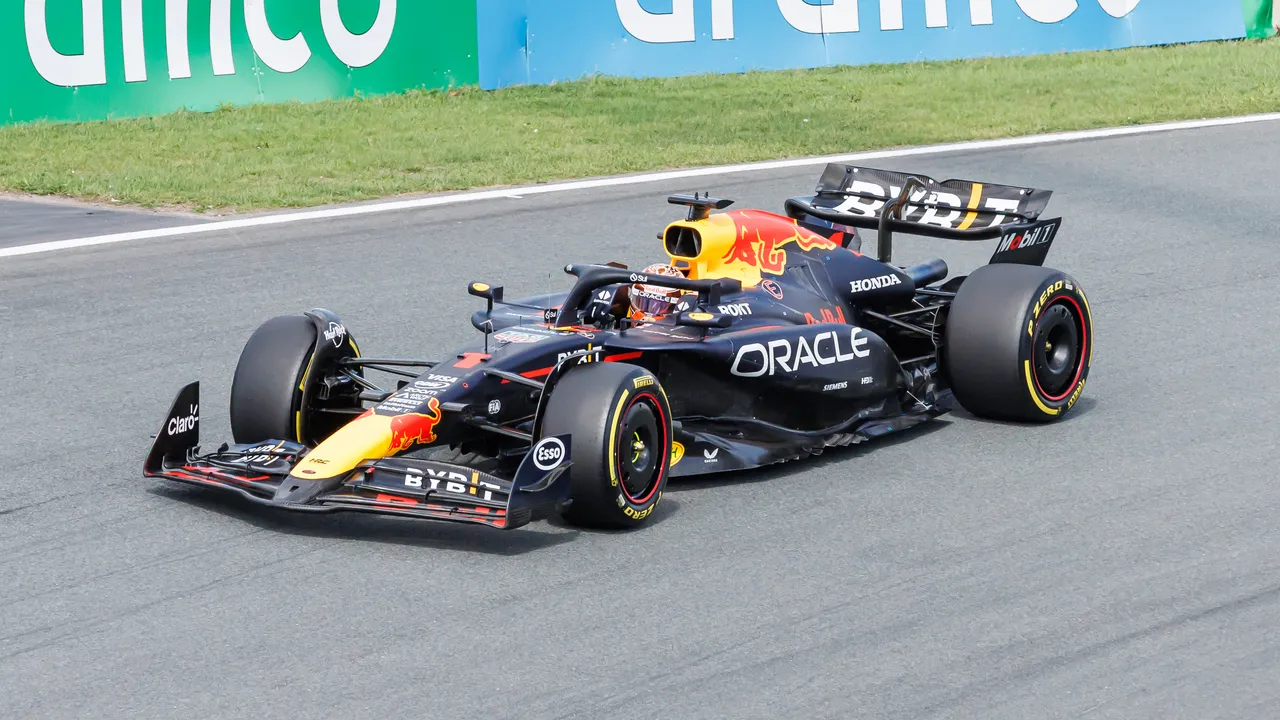
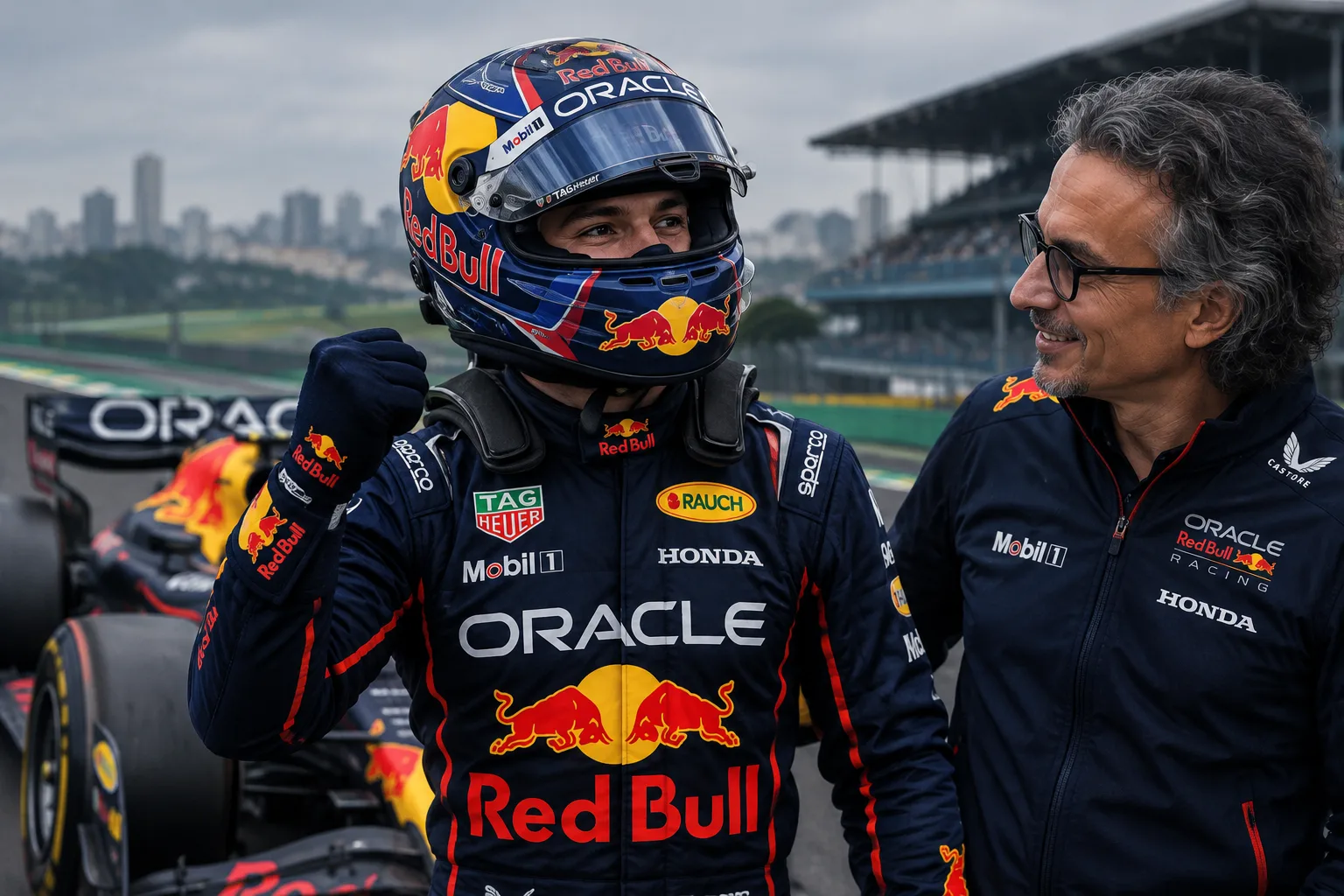
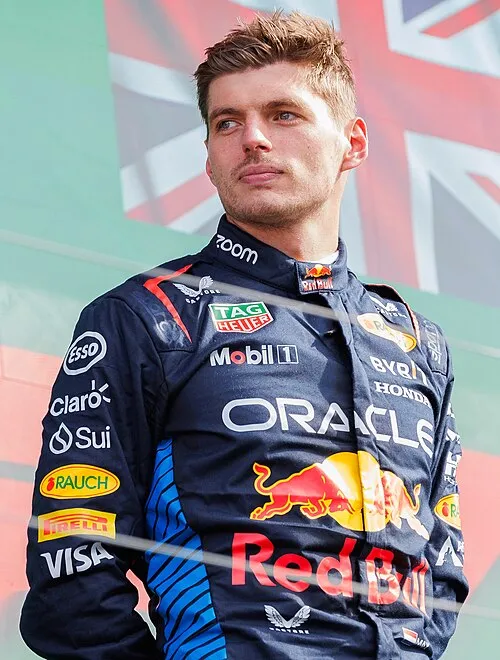
Archive photograph: Max Verstappen · 2024-08-25Archive photo · 2024-08-25 · Steffen Prößdorf · CC BY-SA 4.0
Verstappen reported a sudden performance drop after switching from intermediates to softs. Paolo Filisetti links the handling problems to tyres outside their optimal temperature range and a loss of aerodynamic downforce.
Max Verstappen reported a sudden performance drop after switching from intermediates to soft tyres in Sunday's São Paulo Grand Prix, with the car becoming less stable and less consistent. He had started 21st and completed a strong first stint on intermediates.
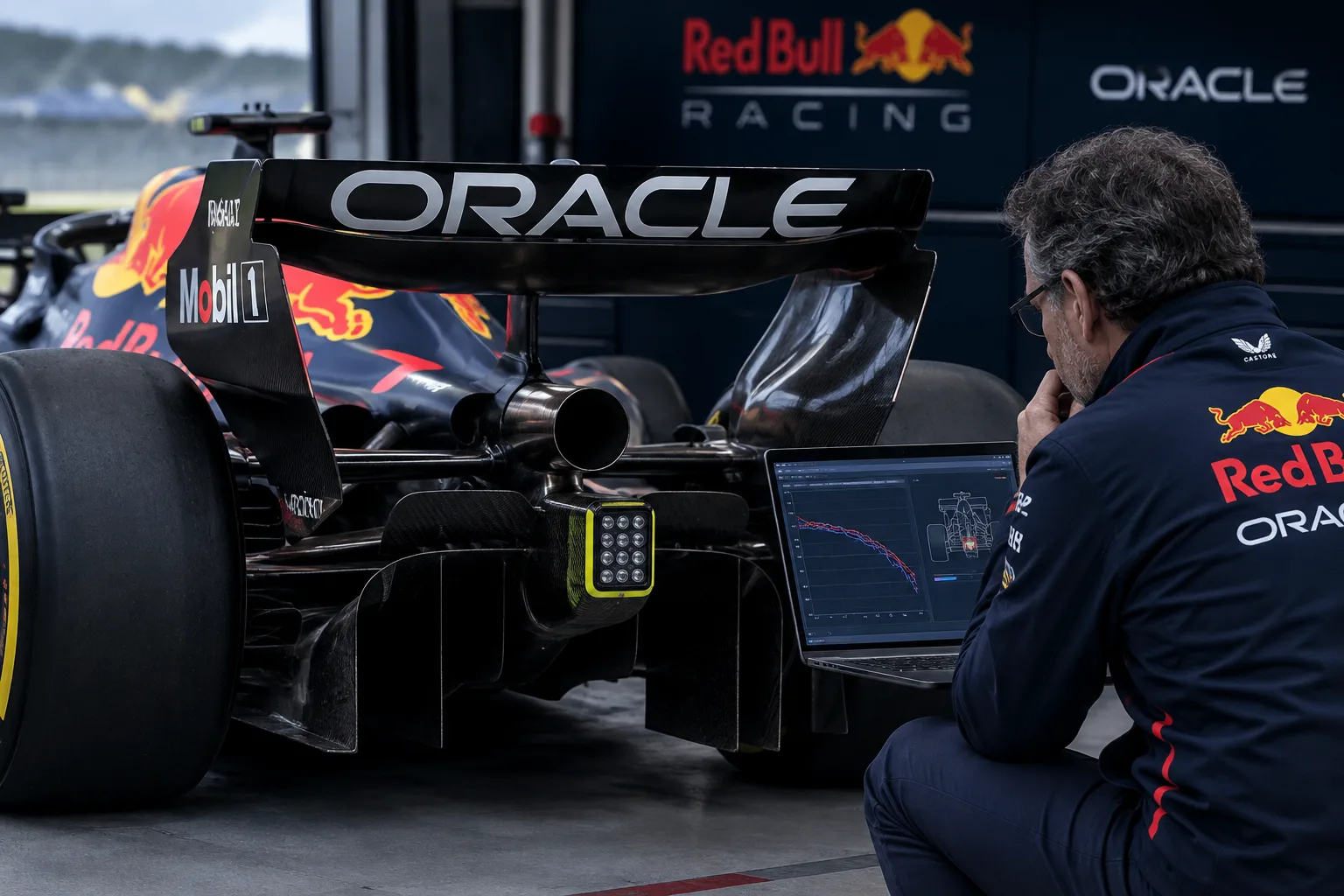
RacingNews365 technical expert Paolo Filisetti identifies tyres intermittently outside their optimal operating-temperature window as part of Red Bull's problem. He describes mid-corner instability, mainly at the rear, with understeer on entry and oversteer on exit through the twistier sections.
Filisetti says the rear-end snaps reflected grip loss from an unstable car platform that reduced aerodynamic downforce, rather than standing water. He traces part of that instability to the higher ride height used in adverse weather, which reduced downforce from the floor and shifted the centre of pressure forward, leaving the rear lighter.
With track temperatures fluctuating and the car becoming lighter, he says, tyre degradation produced sudden shifts in handling. He also describes the track's grip as inconsistent. Filisetti argues that the resulting lack of precision deprived Verstappen of the confidence to push to the limit and extract the remaining performance needed to challenge for the win.
Sources 01
- SOURCEWhy Max Verstappen was 'high-profile victim' of Red Bull 'phenomenon' in BrazilRacingNews365 English