

Leclerc leads Mexico City practice as Antonelli closes on F1 title
Archive photograph, for illustration. Ferrari’s Charles Leclerc drives during qualifying at the 2026 Chinese Grand Prix. · 2026-03-14Liauzh · CC BY 4.0
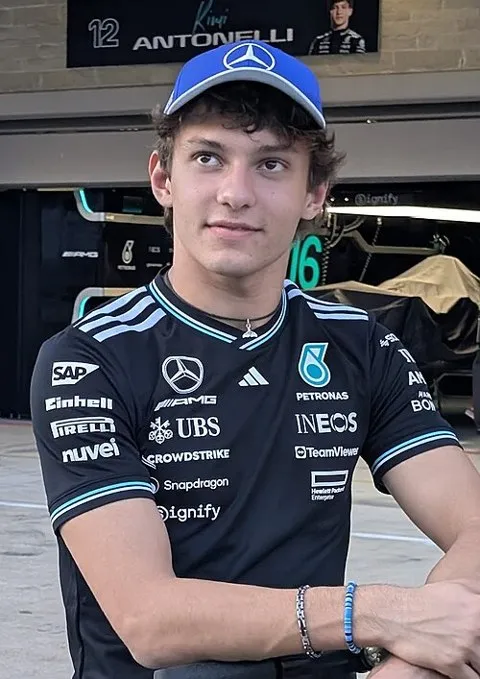
Charles Leclerc led first practice in Mexico City, while championship leader Kimi Antonelli moved closer to a title he can secure on Sunday with a ninth-place finish.
Charles Leclerc topped first practice for the Mexico City Grand Prix, finishing 0.659 seconds ahead of championship leader Kimi Antonelli in a session that could bring the Mercedes driver within reach of his first Formula 1 title.
Antonelli will secure the championship on Sunday if he finishes ninth, regardless of other results. Only a win for Mercedes team-mate George Russell or Ferrari’s Lewis Hamilton can prevent him clinching the title this weekend. If Russell wins, Antonelli needs ninth; if Hamilton wins, he needs 10th.
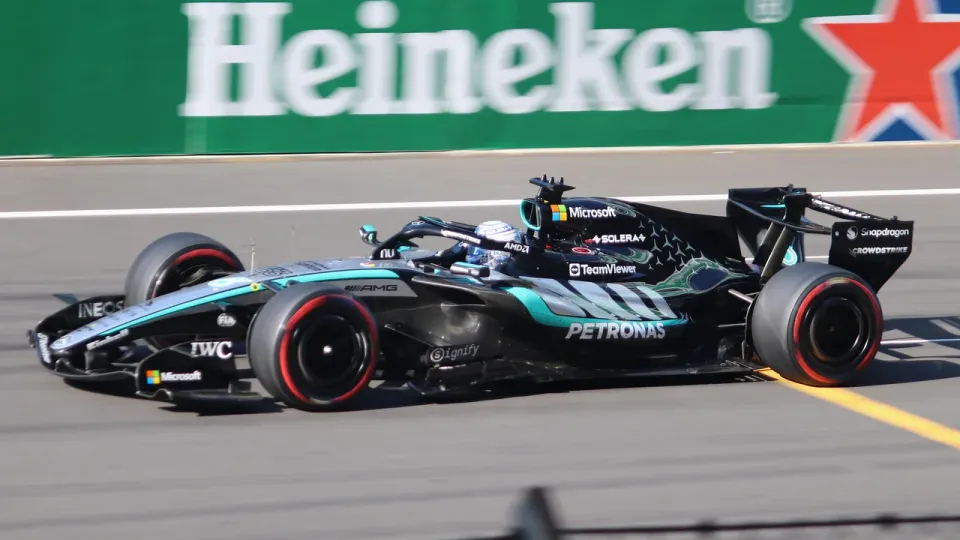
Mercedes reserve Frederik Vesti was third fastest in Russell’s car, ahead of Hamilton. Ten teams used the session for one of their mandatory rookie outings, leaving only Ferrari’s two regular drivers in their cars. The opening session in Mexico City is often considered unrepresentative because the track surface is dirty.
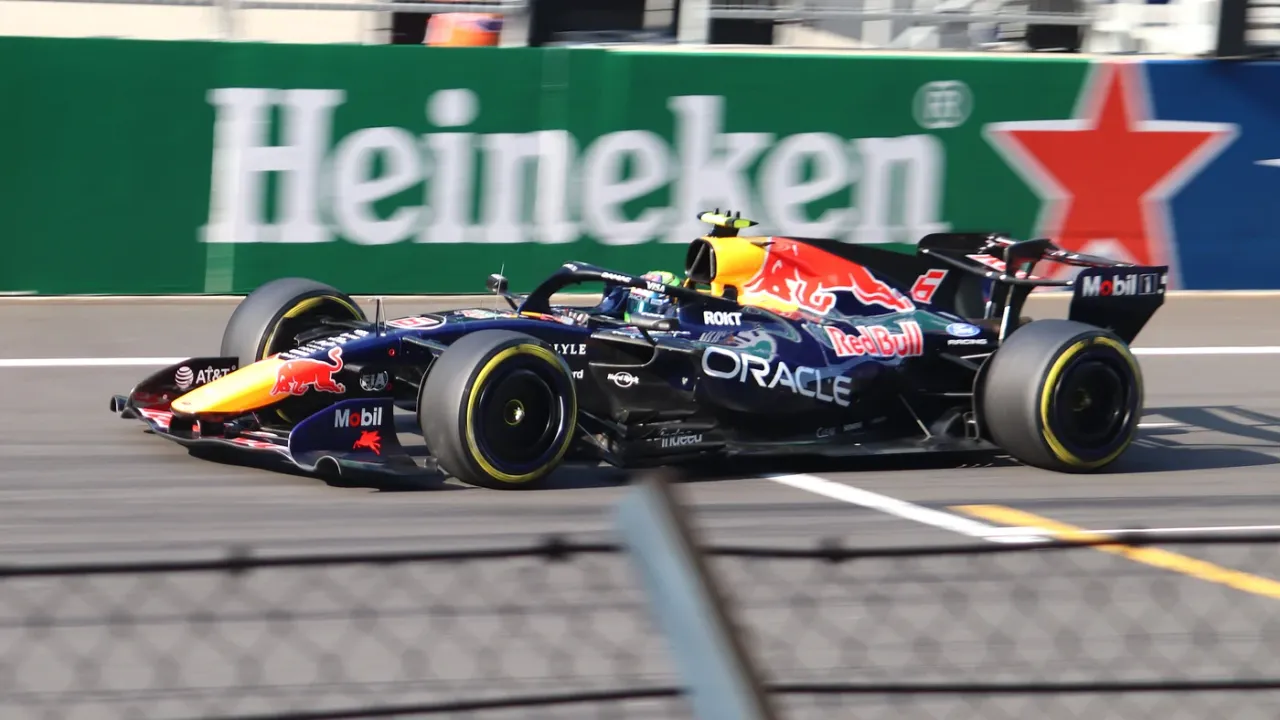
Red Bull reserve Ayumu Iwasa, replacing Max Verstappen, was fifth, followed by Pierre Gasly and Fernando Alonso. Oscar Piastri, Oliver Bearman and Arvid Lindblad completed the top 10.
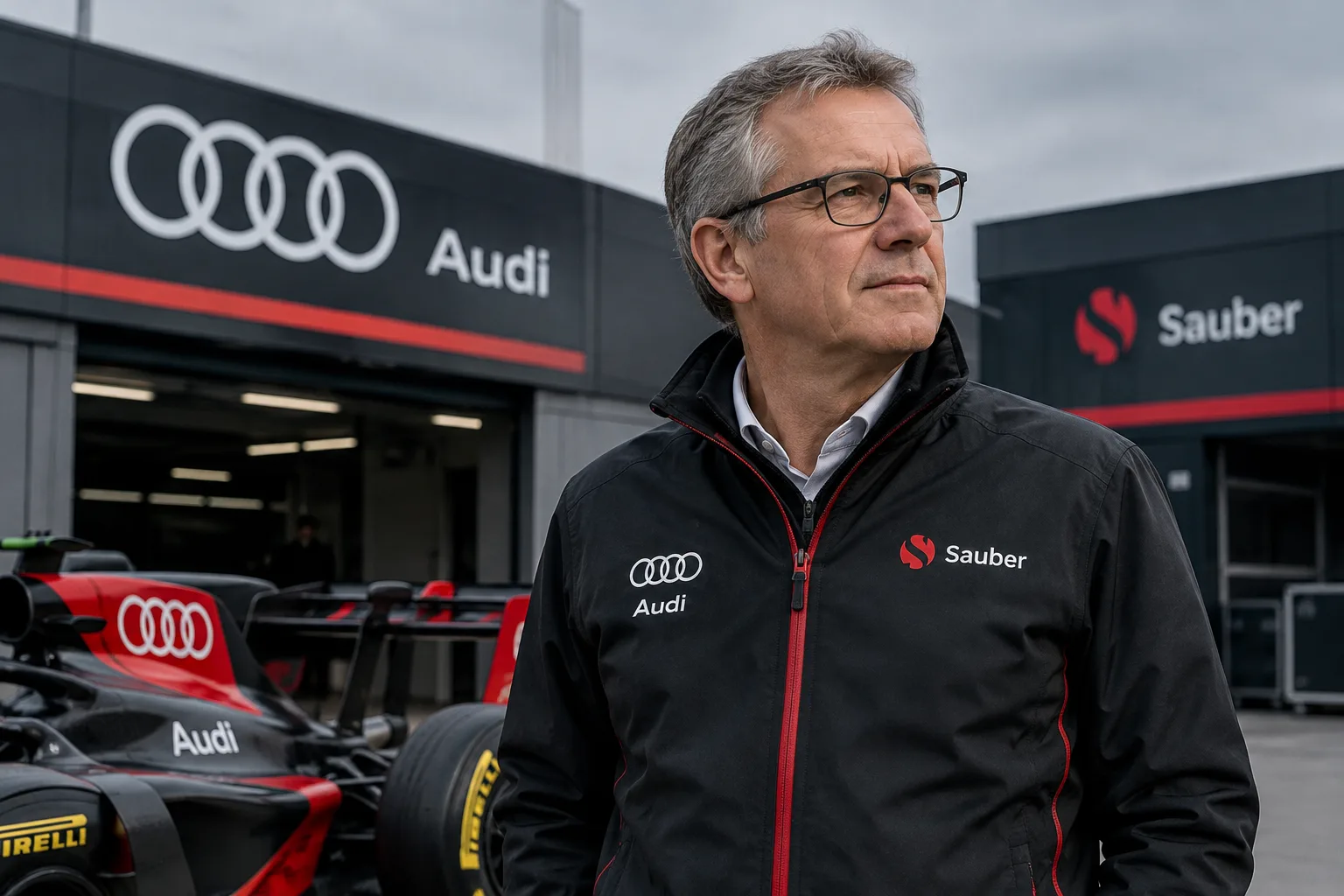
Audi rookie Freddie Slater was limited to 14 laps by reliability problems, about half a normal session’s mileage, and finished 19th. Luke Browning was just ahead of him in the Williams. Cadillac prospect Colton Herta was 22nd; the FIA said he had completed enough mileage to earn the 40 superlicence points required to race in Formula 1.
Sources 01
- SOURCEMexico City Grand Prix practice result: Charles Leclerc fastest in Ferrari - BBC SportBBC News
This article was produced with AI assistance. Source references make its supporting evidence traceable.