
Antonelli’s approach to F1’s 2026 power units: drive naturally, then adapt
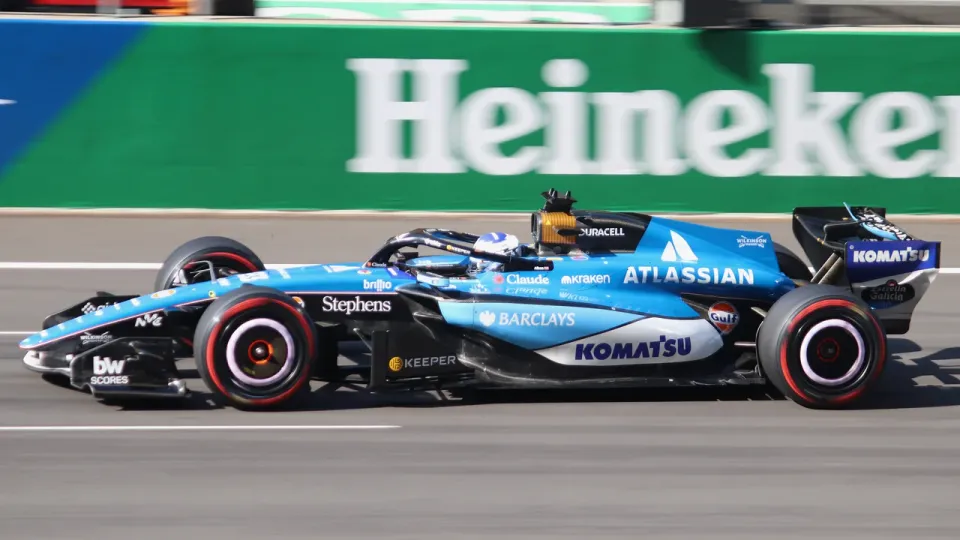
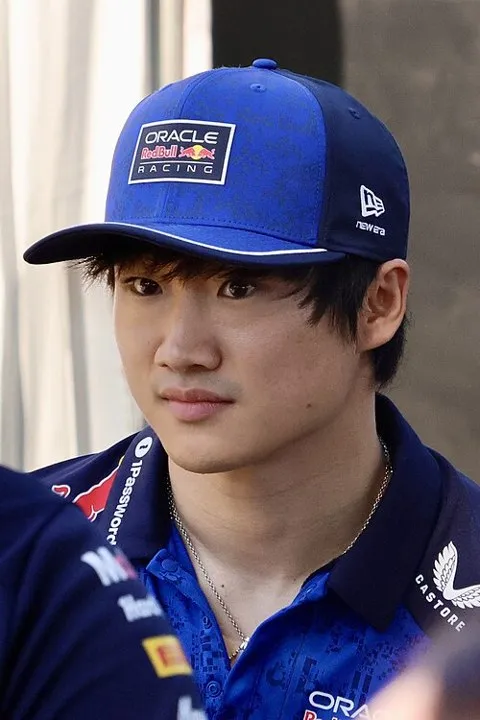
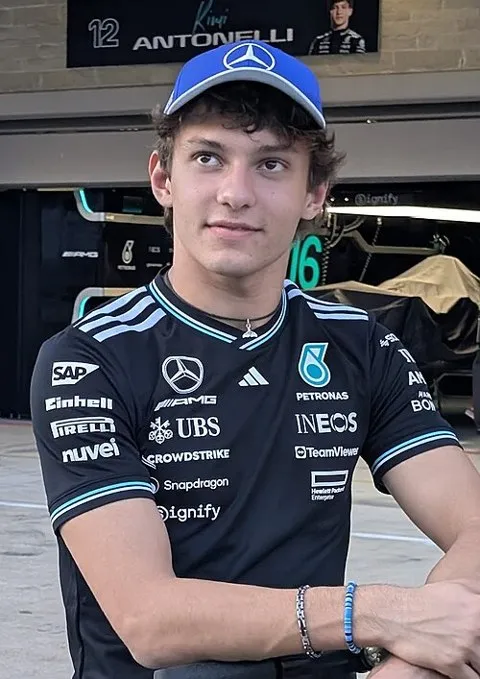
Archive photograph: Kimi Antonelli · 2025-10-17Archive photo · 2025-10-17 · Kuyper · CC BY-SA 4.0
During pre-season, Antonelli tried to drive naturally before adjusting to the power unit’s response. He said the amount of adaptation varied by circuit.
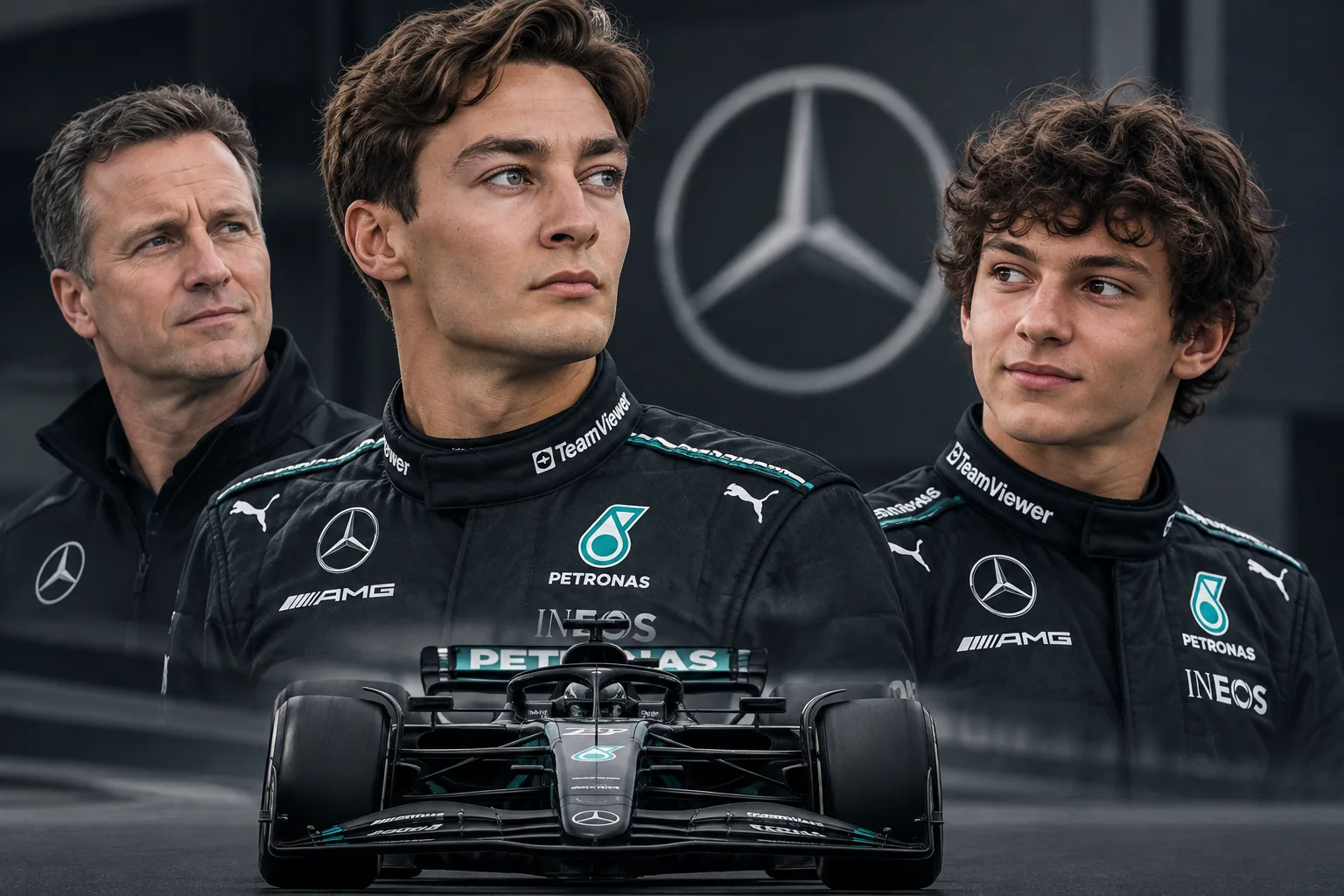
During pre-season, Kimi Antonelli tried to drive Formula 1’s new 2026 car as naturally as possible and then adapt after seeing how its power unit responded. He said the amount of adjustment varied by circuit: at some tracks he could drive normally; at others, he had to think more.
The 2026 turbo-hybrid power units dropped the MGU-H and split output roughly 50:50 between the combustion engine and electrical systems. In 2025, the balance had been around 80:20 in favour of combustion; the 2026 batteries could deliver 350 kW. Greater reliance on battery power also brought “superclipping”, with cars slowing on straights to recover energy.
Antonelli said adapting had been difficult and that at some tracks the car was still painful to drive: wanting to do something different could compromise him. The rules are set to strengthen combustion-engine reliance in 2027, with further changes in that direction planned for 2028. Antonelli expects the lower electrical contribution in 2027 to make driving easier for everyone.
Sources 01
- SOURCEKimi Antonelli divulges secret tactic to unlock radical new F1 carsRacingNews365 English