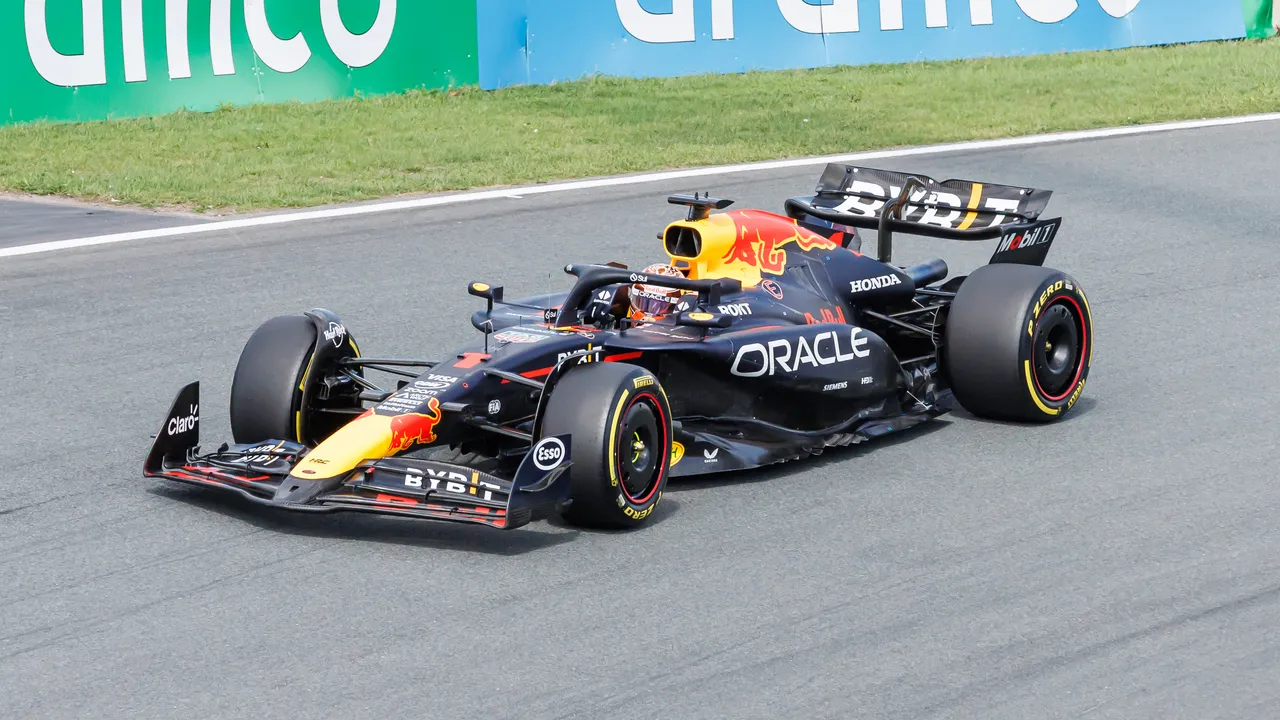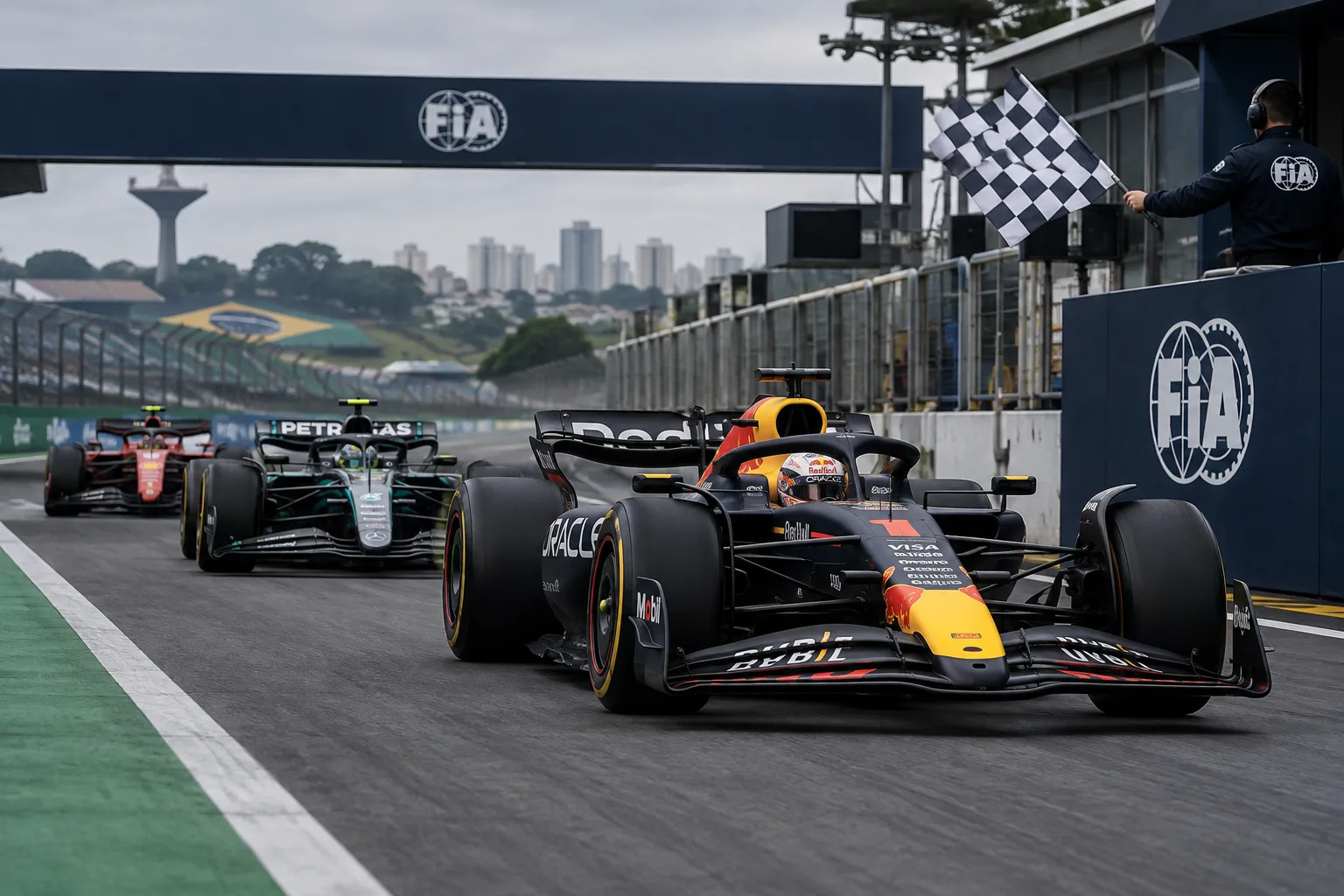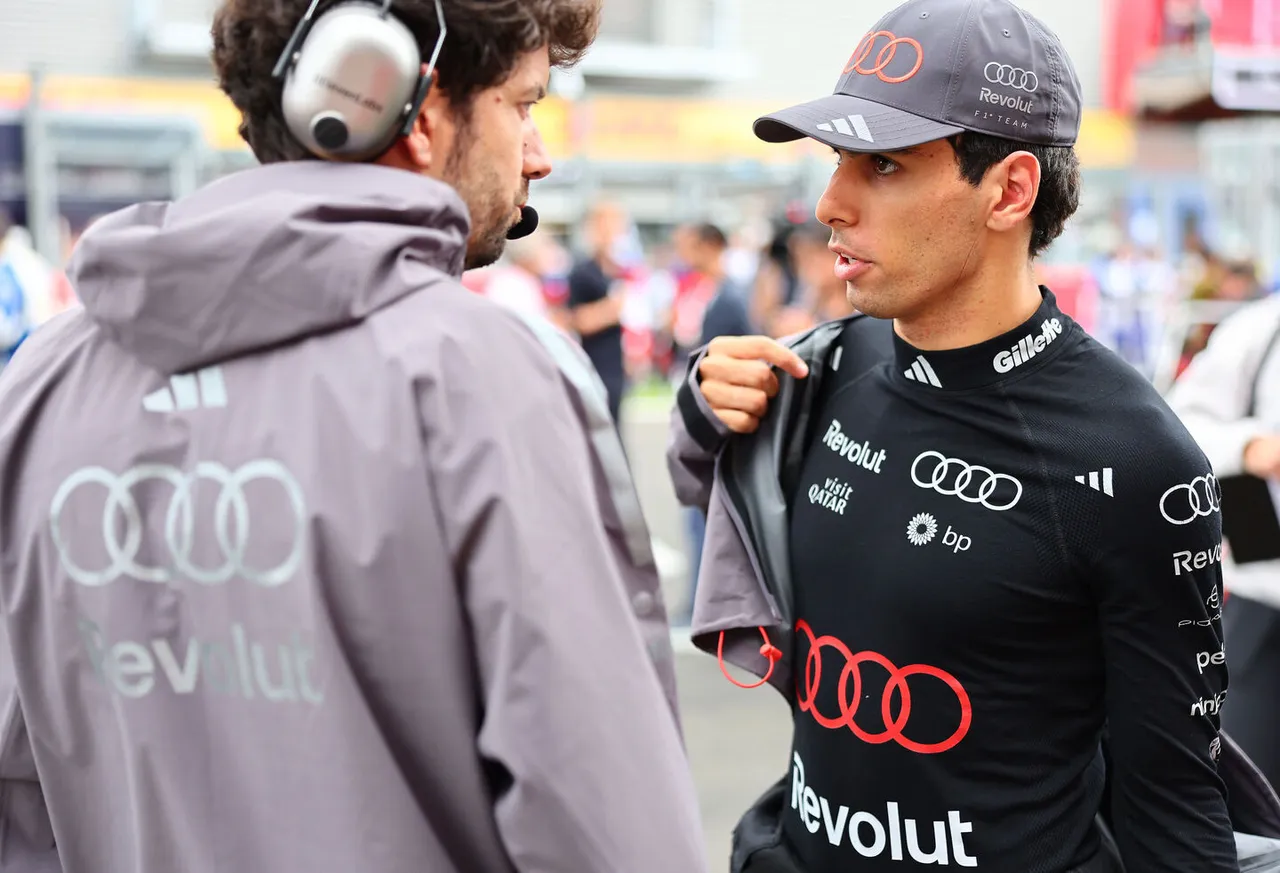


Davidson explains why a 2026 F1 car could struggle to accelerate
Formula 1 · temporary class logo on blackOfficial class logo
Anthony Davidson says prolonged time off the throttle in very wet conditions can slow a 2026 F1 car’s turbo; accelerating again can use all available energy, he says. RacingNews365 explains that a depleted battery may leave the combustion engine unable to meet the requested torque unless the turbo is spinning fast enough.
Former F1 driver and analyst Anthony Davidson says a 2026 F1 car can struggle to accelerate if its driver spends too long off the throttle in very wet conditions, as at the Bahrain Grand Prix in Malaysia. The new-generation power units lack an MGU-H to keep the turbo spinning electrically; Davidson says running the engine too slowly can lower turbo speed.
When the driver gets back on the throttle, Davidson says, the car can use all available energy. If the battery then runs empty, RacingNews365’s explanation says, only the combustion engine’s power remains; without a turbo spinning fast enough, it may not deliver the requested torque.
That shortfall can become a feedback loop, Davidson says: the engine may not have enough power to accelerate properly, while the rules are designed to prevent traction control. RacingNews365 adds that the regulations prevent the electronics from simply compensating for the problem, so the cars then enter an emergency mode to avoid breaking the rules.
Sources 03
- SOURCEDavidson onthult bizarre oorzaak: daarom vallen F1-auto's massaal stilRacingNews365 Nederland
- PRIMARY SOURCEDoc 44 - Pre-Race ProcedureFIA F1 decision documents
- SOURCEFernando Alonso questions critical decision as FIA explain Bahrain start chaos - RacingNews365 ReviewRacingNews365 English