
Mexico City’s thin air puts F1’s 2026 cars to the test
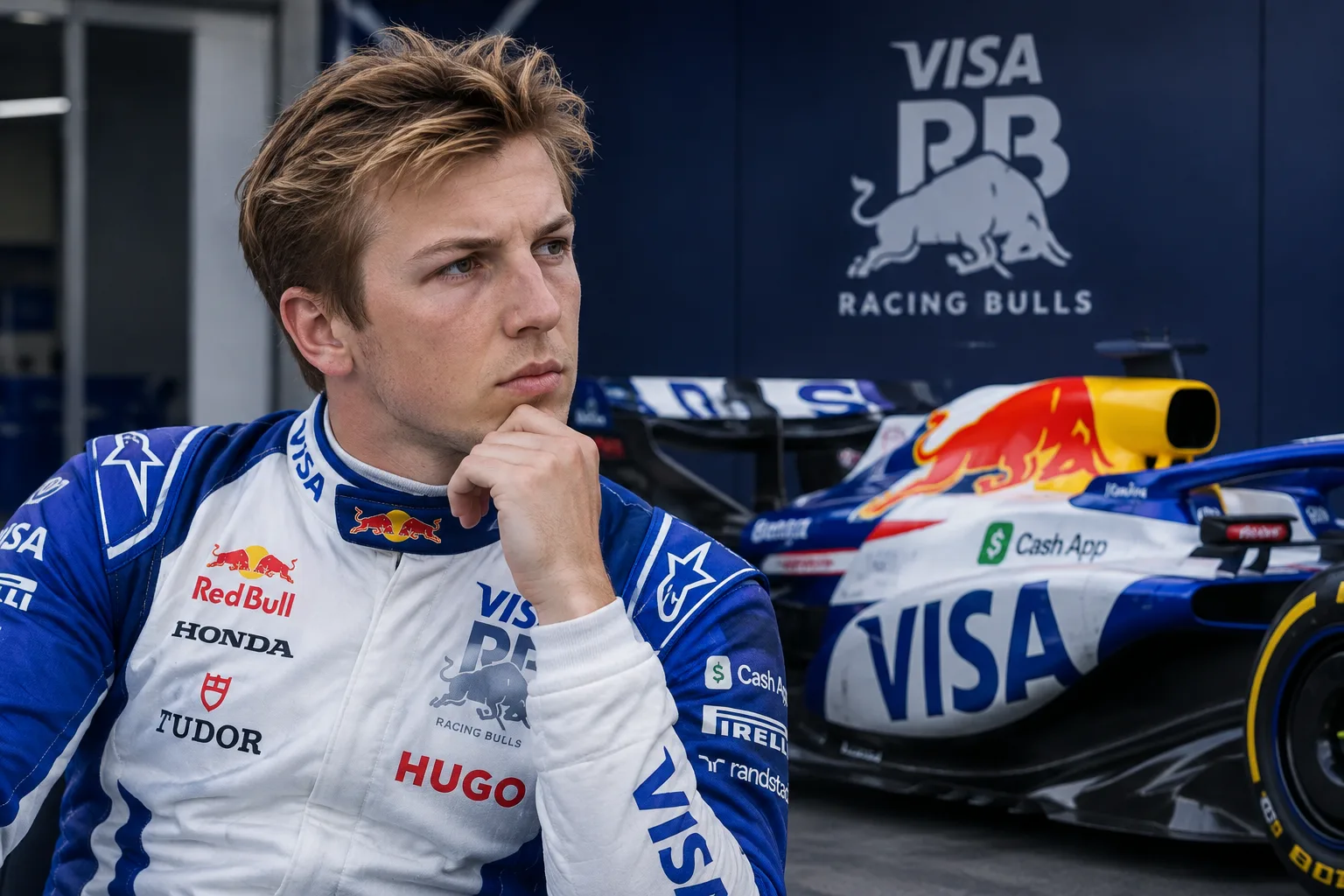
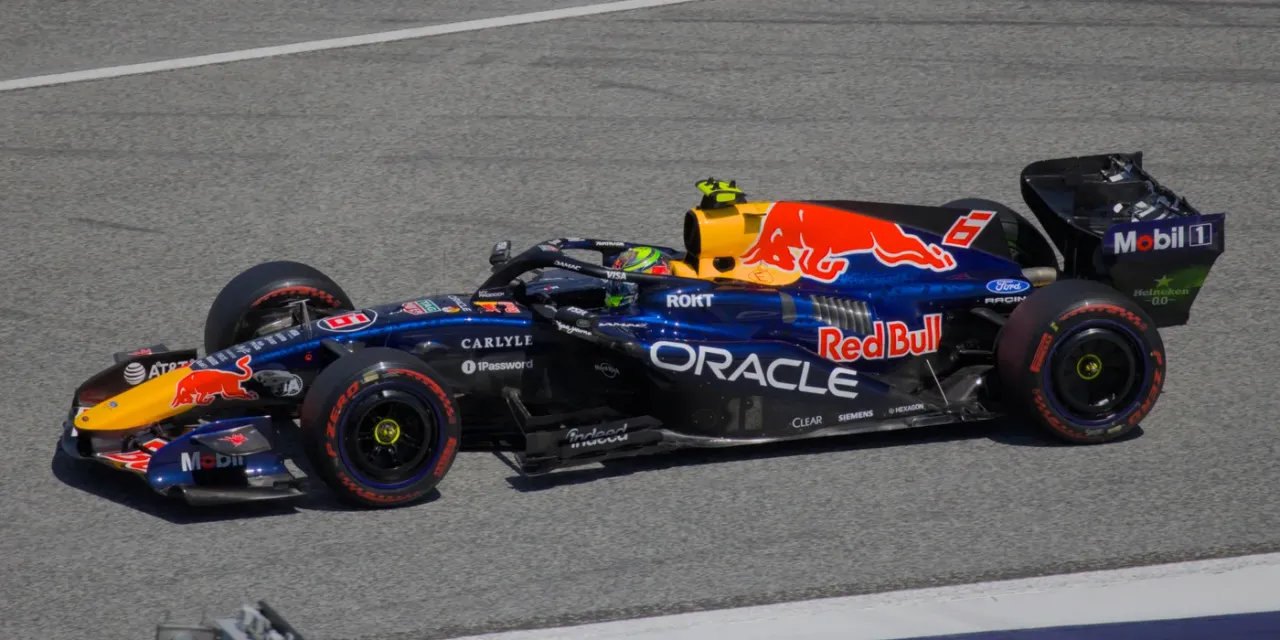
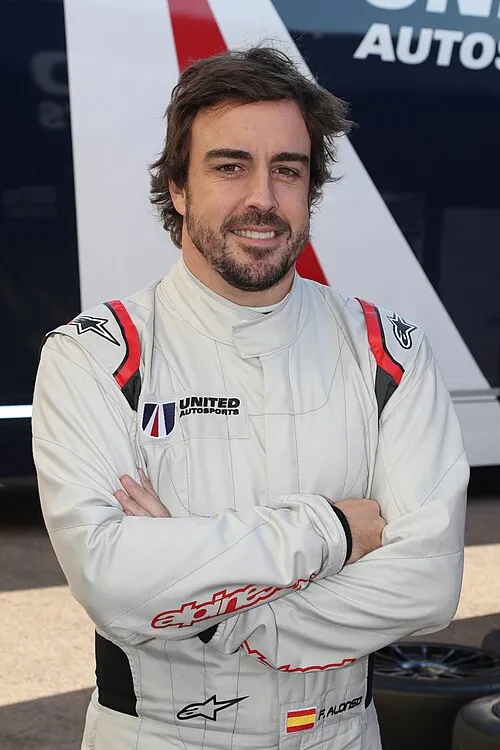
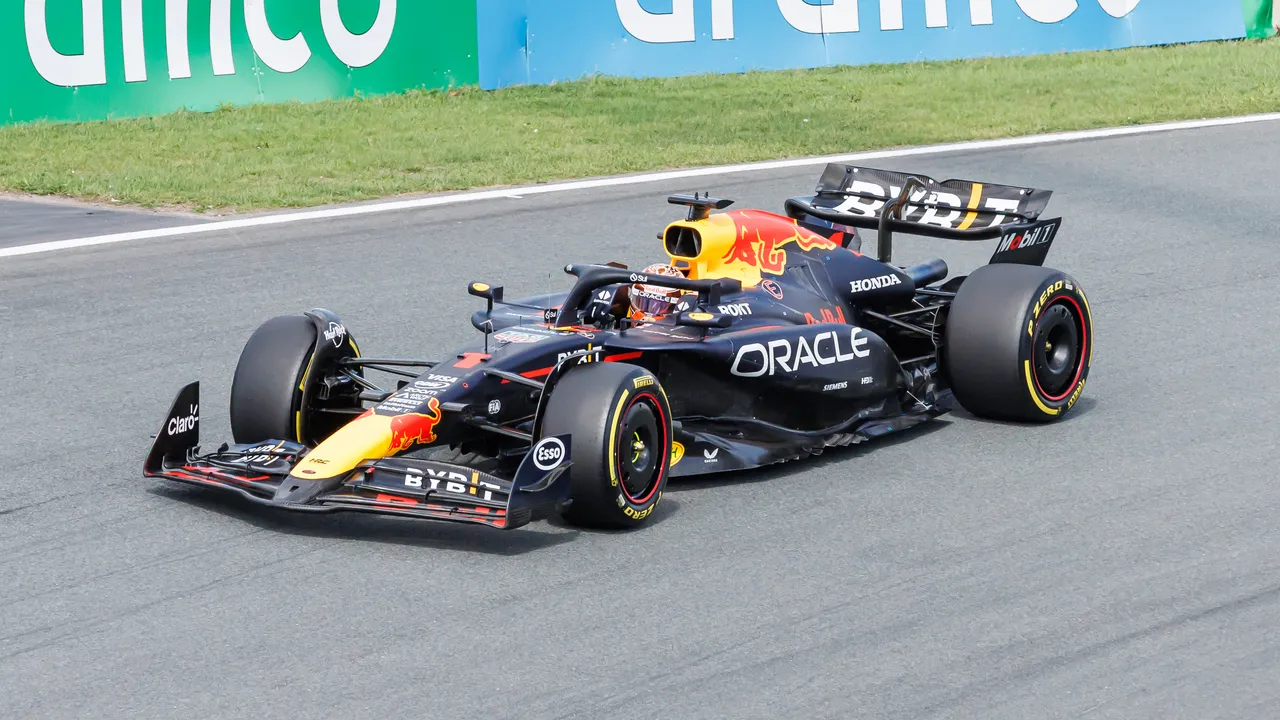
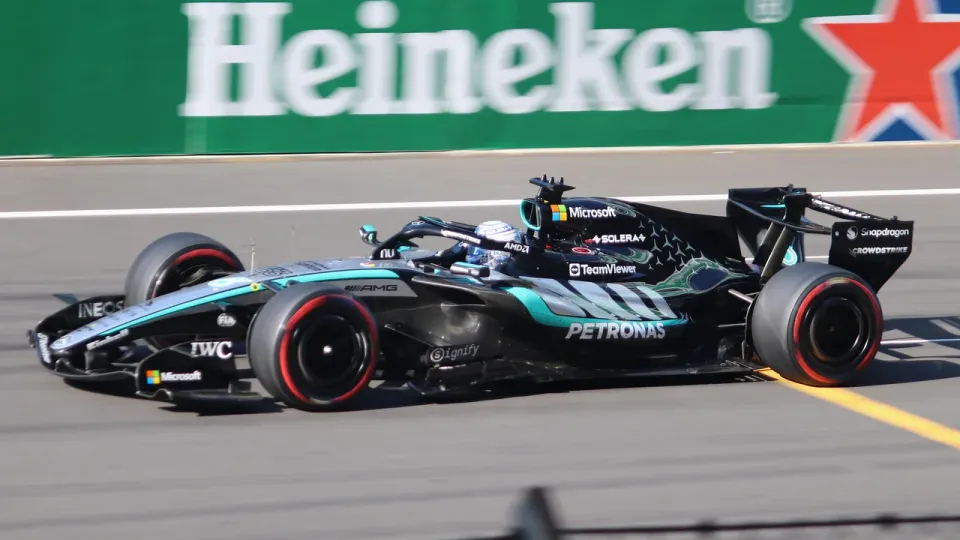
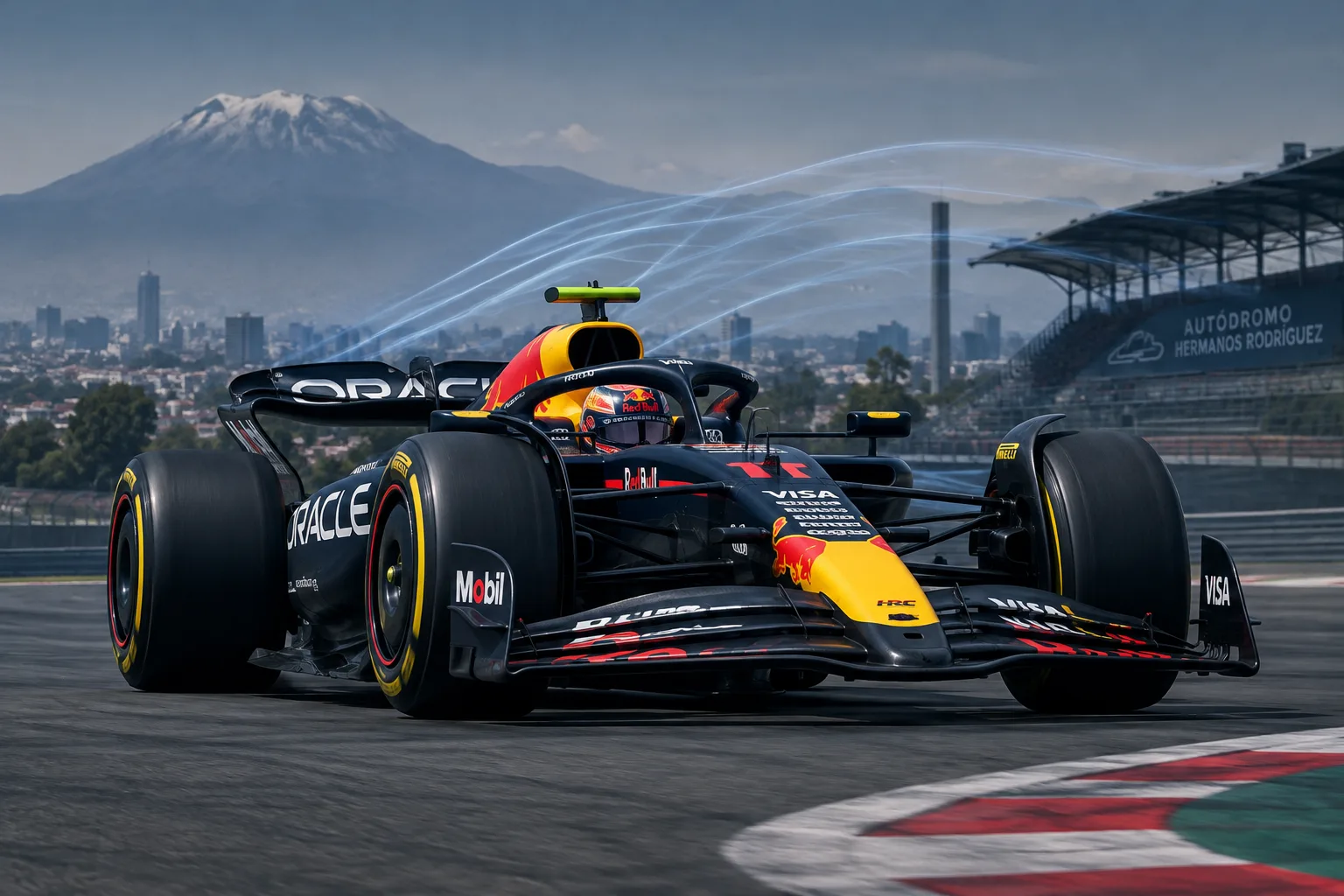
Conceptual AI-generated editorial motorsport illustration; not a documentary photograph or evidence that a pictured event, meeting or transfer occurred. · 2026-10-29GPBeat newsroom · News Made Clear generated illustration
At more than 2,200 metres, Mexico City’s thin air could make cooling harder and reduce downforce. The 2026 rules add pressure on turbo and battery systems, while the effect on overtaking remains uncertain.
Mexico City’s altitude sets up a multi-system test for F1’s 2026 cars. At more than 2,200 metres, the air is roughly 20–25 per cent less dense than at sea level. That makes cooling harder and reduces downforce at a given wing setting.
Cooling pressure extends beyond the engine. The 2026 battery must handle much heavier charge-and-discharge cycles, and the brakes are harder to cool in the thin air. Teams are likely to need larger cooling openings and inlets, but extra cooling can increase drag and cost speed on the straights. The set-up challenge is to remove heat without giving away too much straight-line performance.
Cornering brings a second constraint. The 2026 cars generate less downforce than the 2022–25 ground-effect generation, partly because of simpler floors and shallower diffusers; Mexico’s altitude reduces it further at the same wing setting. Teams can use active wings in corner mode to seek maximum downforce, but the effective level is still expected to be comparable to Monza. On the straights, Straight Mode flattens the wings to reduce drag, widening the contrast between the two settings. Grip has already been poor early in recent Mexico weekends and is expected to worsen again in 2026.
The turbo faces a different altitude problem. The MGU-H helped keep it spinning and limit turbo lag through 2025; with that component gone, the turbo must work harder and run at higher revs to push sufficient air into the combustion engine. Power may be less immediate when a driver gets back on the throttle. The 2026 MGU-K can deliver up to 350 kW, versus 120 kW before, and torque fill can partly offset the lag.
That assistance depends on the energy available. The battery must retain enough charge to deploy at the right moments while leaving opportunities to harvest energy; if charge is low, electric assistance can taper off on long straights.
Overtaking is harder to forecast. DRS and slipstream effects have been limited by Mexico’s thin air and are expected to weaken further. Straight Mode is available to every car, so the old DRS advantage reserved for the chaser disappears. But a driver using Overtake Mode may have more electrical energy to spend, allowing electric power to last longer and speed to stay higher on the straight. More passing remains possible; the open question is whether that electrical boost can compensate for the lost DRS edge.
Sources 01
- SOURCEFormule 1 staat voor extreme uitdaging in MexicoRacingNews365 Nederland
This article was produced with AI assistance. Source references make its supporting evidence traceable.