
F1 reaches agreement in principle on V8 return from 2030
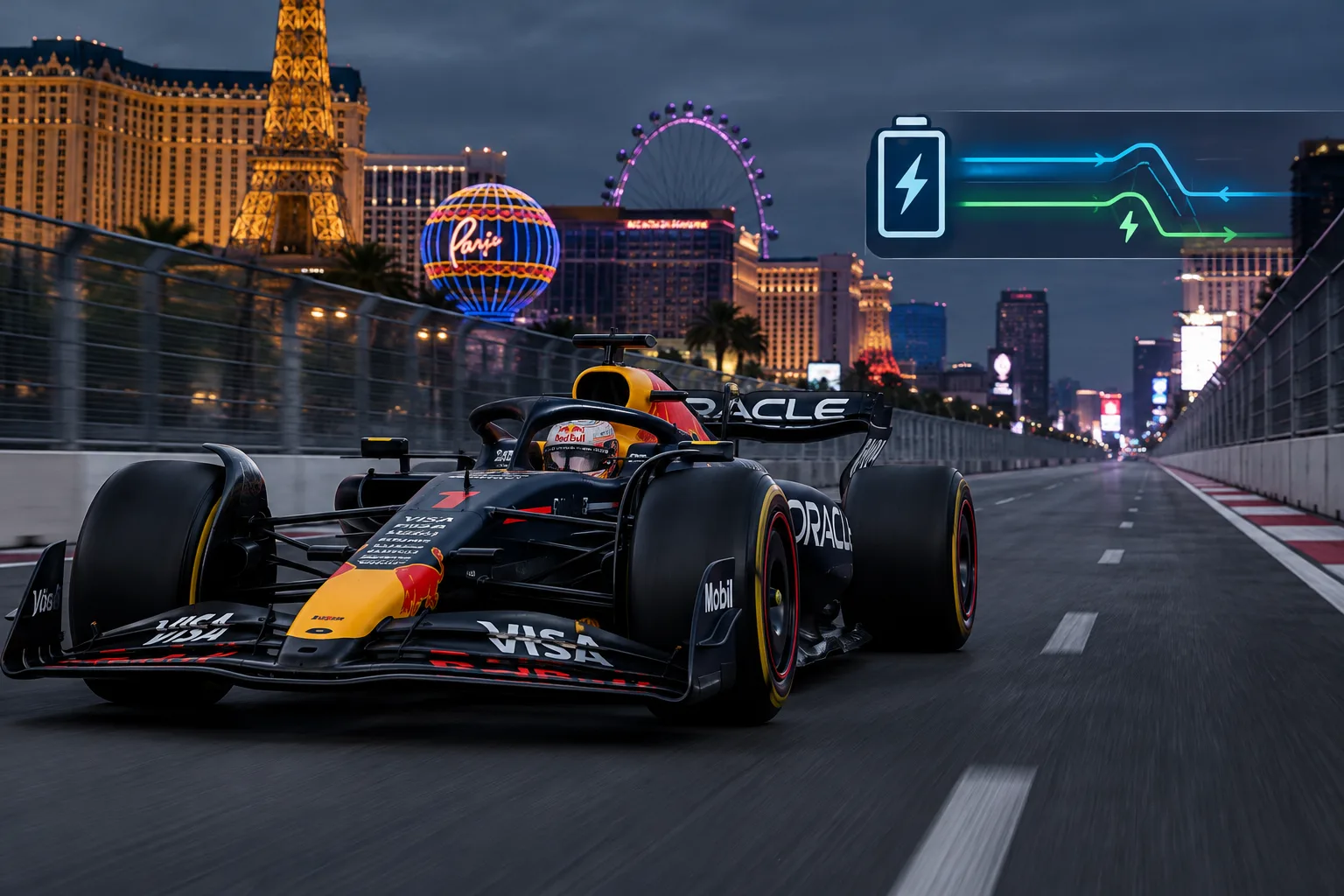
Conceptual AI-generated editorial motorsport illustration; not a documentary photograph or evidence that a pictured event, meeting or transfer occurred. · 2026-11-17GPBeat newsroom · News Made Clear generated illustration
The FIA, Formula One Management and engine manufacturers have reached an agreement in principle on 2030 power-unit rules centred on a 2.1-litre V8, with hybridisation retained in reduced form.
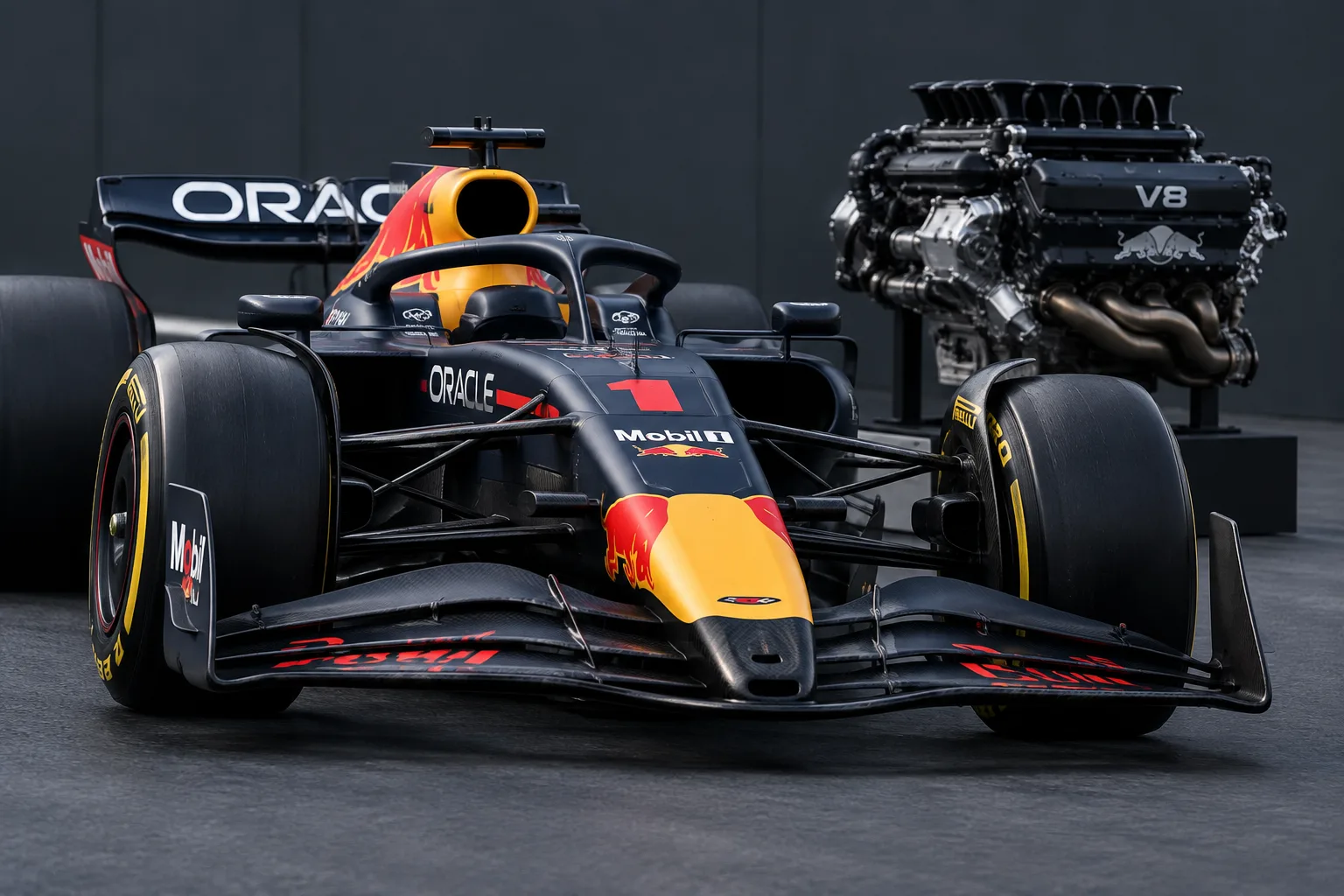
Formula 1 has moved a step closer to bringing back V8 engines from 2030: the FIA, Formula One Management and engine manufacturers have reached an agreement in principle on a new power-unit framework. The proposal centres on a 2.1-litre V8 running on sustainable fuels, which is intended to replace the current V6 hybrid units. Hybrid technology would remain, but in a reduced form.
The planned power unit is intended to be lighter, simpler and more cost-efficient. It would be paired with a lighter, more agile chassis, with the stated aim of putting greater emphasis on driver skill and encouraging closer racing. FIA president Mohammed Ben Sulayem called the agreement a milestone and said he wants the sport to be more competitive and exciting, with innovation and sustainability at the forefront.
F1’s previous V8 era began in 2006 with a 2.4-litre engine and ended eight seasons later, when it gave way in 2014 to the 1.6-litre V6 turbo-hybrid. The older V8’s high revs—up to 18,000 rpm—and distinctive sound helped make it a defining part of the sport. The proposed 2.1-litre unit would bring back the V8 configuration, not the old package: hybridisation would still be part of the formula.
Sources 01
- SOURCEBreaking: F1 keert terug naar iconische motorRacingNews365 Nederland