
Red Bull's 2026 recovery strengthens Max Verstappen's 2027 title case, but new rules will test it
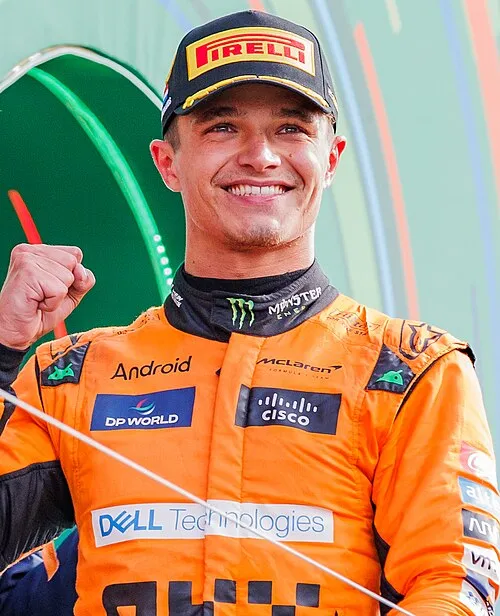
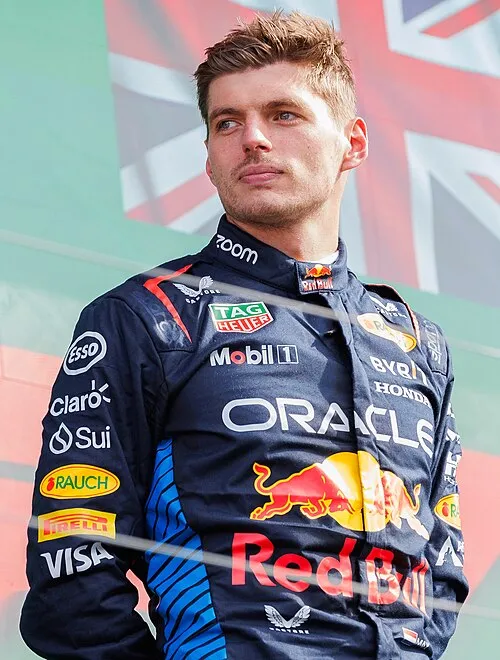
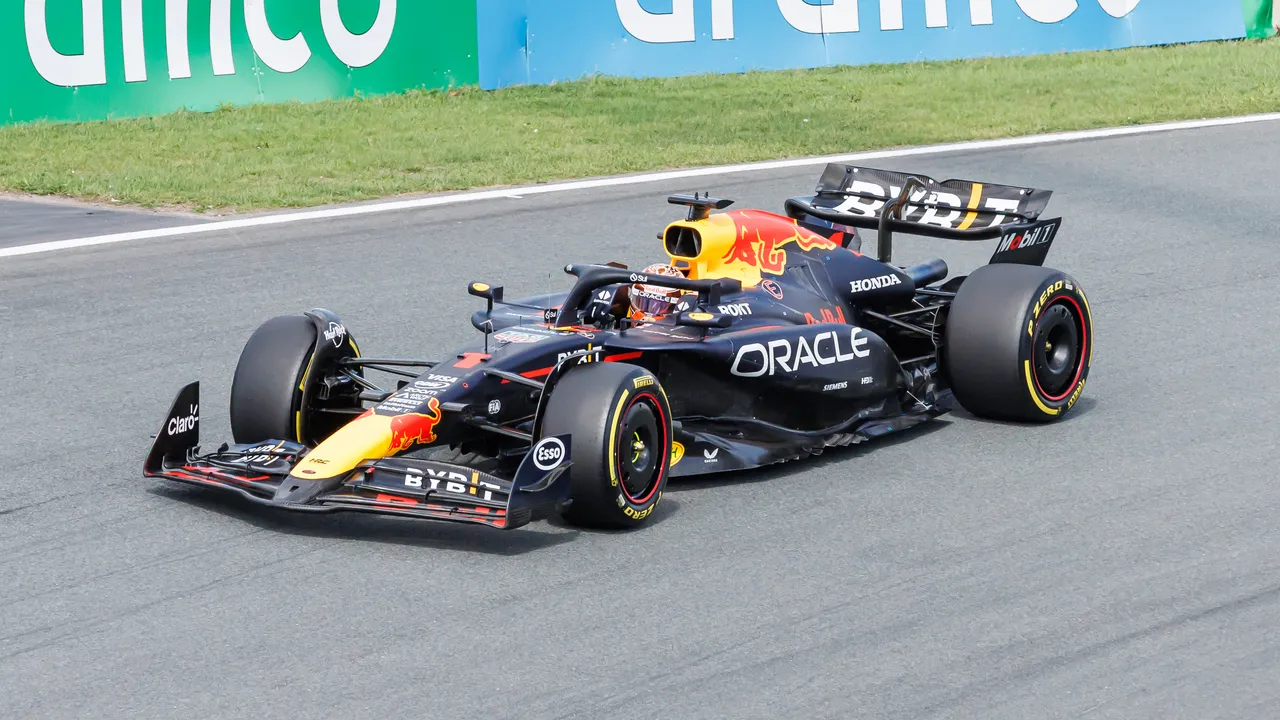
Archive photograph: Max Verstappen · Dutch Grand Prix, Zandvoort 2024 · 2024-08-25Archive photo · 2024-08-25 · Steffen Prößdorf · CC BY-SA 4.0
Verstappen went from sixth after Canada to second with three races remaining as Red Bull improved the RB22. The 2027 regulations will test whether its chassis gains carry over.
Max Verstappen’s climb from sixth after Canada to second with three races left has strengthened his case for a 2027 title challenge. Red Bull’s recovery has improved the RB22, but the 2027 rules will test whether those gains carry over.
After round five in Canada, Verstappen had 43 points, ten behind fifth-placed Lando Norris, while Kimi Antonelli led on 131. With three races left in 2026, Verstappen has 279 points and Antonelli 390—a 111-point gap.
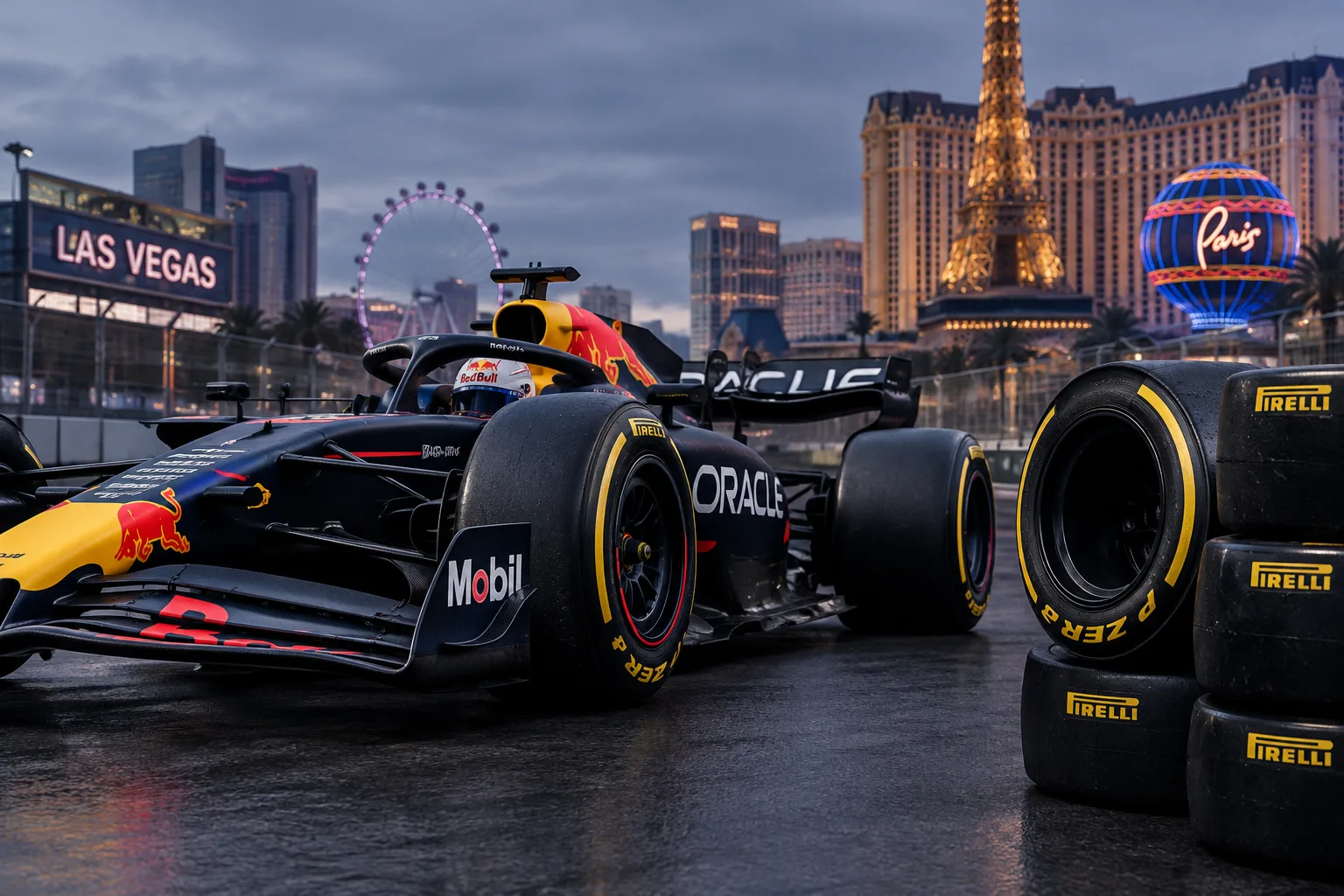
The RB22 was reportedly 12–13kg above the 768kg minimum, with battery packaging for the 350kW MGU-K cited as a cause. It also suffered severe low- and medium-speed understeer and tyre degradation. Heavy understeer on entry punished the front tyres before the car could tip into abrupt oversteer on exit. Red Bull had also delayed its full pivot to the 2026 rules while it addressed correlation problems with the 2025 floor, costing crucial early development time.
Red Bull reorganised its technical department in April 2026, bringing in Ben Waterhouse as chief performance and design engineer alongside technical director Pierre Wache. A seven-part package at the Austrian Grand Prix was followed by five upgrades in Azerbaijan. The later package revised the floor, diffuser, sidepods and cooling; RacingNews365’s analysis credits it with sharpening the car’s balance and making it more predictable.
Straight-line gains came largely from refined energy deployment and software mapping rather than power-unit hardware; homologation rules left little room for changes to the engine. For 2027, the FIA has identified the Red Bull-Ford engine as the benchmark under its ADUO framework, leaving rivals including Mercedes, Ferrari, Audi and Honda with extra development tokens and budget-cap latitude denied to Red Bull.
The 2027 rules shift the power-unit balance further toward the internal combustion engine, reduce rear-wing depth by roughly 20mm and restrict floor fences and plank positioning to cut downforce. Red Bull’s 2026 chassis gains will face a new aerodynamic baseline.
Red Bull’s 2026 recovery is evidence that it can improve a difficult car within a season, not proof that the RB22’s chassis gains will transfer to 2027. A greater emphasis on the internal combustion engine could suit the Red Bull-Ford power unit, but rivals’ extra development allowances and the aerodynamic reset make the outcome less certain. The comeback gives Verstappen a credible title case, not an automatic claim to be favourite.
Sources 01
- SOURCEWhy rapid Red Bull comeback hints at Max Verstappen 2027 title pushRacingNews365 English