

Sainz urges F1 to re-examine its rules after Sepang start glitch
Archive photograph: Carlos Sainz · 2026-09-02Archive photo · 2026-09-02 · LucaFazPhoto · CC BY-SA 4.0
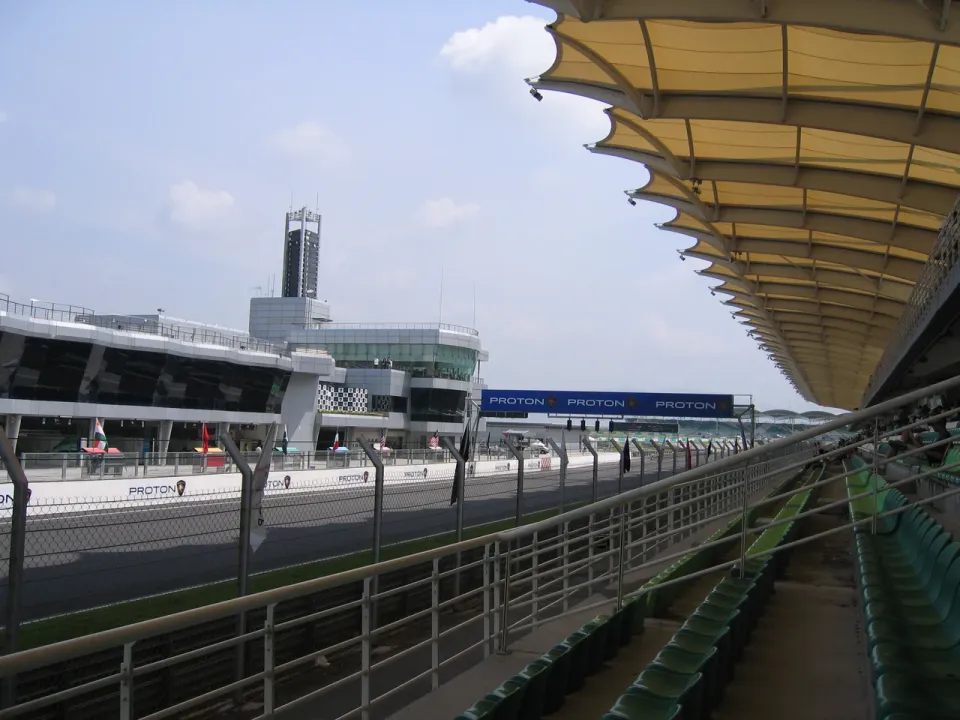
GPBeat reports that Carlos Sainz wants Formula 1 to reconsider its regulatory direction after a wet-weather software fault disrupted the start of the Bahrain Grand Prix in Malaysia at Sepang. Poor visibility delayed the start first; the fault then forced the formation laps to be abandoned.
Carlos Sainz has urged Formula 1 to reconsider the direction of its regulations after a wet-weather software fault disrupted the start of the 2026 Bahrain Grand Prix in Malaysia, held at Sepang on 4 October.
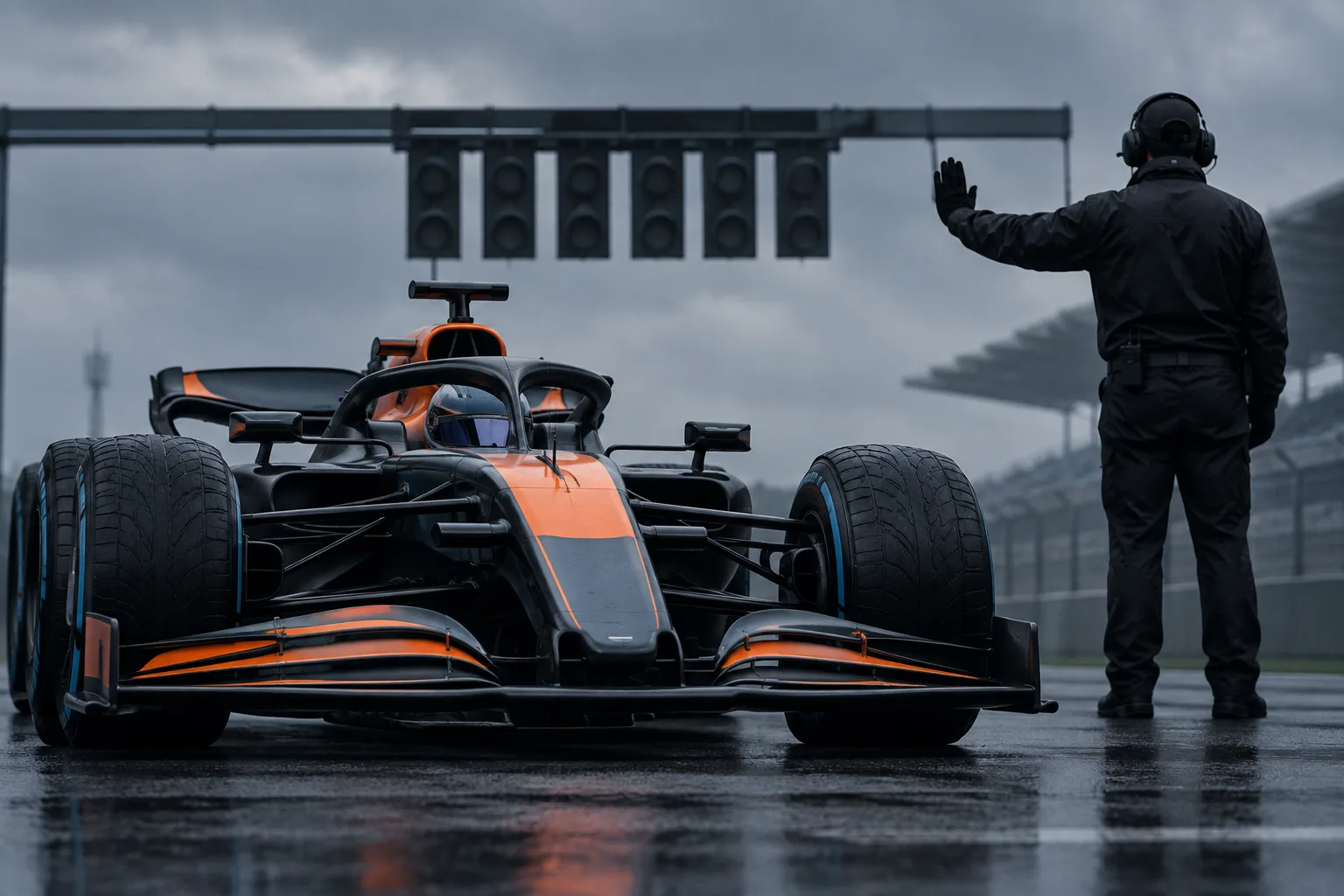
Poor visibility during a downpour had already delayed the scheduled start. When the cars went out on wet formation laps, a bug in the FIA’s wet-weather engine settings left several struggling to move. The laps were abandoned and new software code was issued to the teams; the race eventually began 90 minutes behind schedule.
No further rain fell between the aborted formation laps and the eventual start, by which time the track had largely dried.
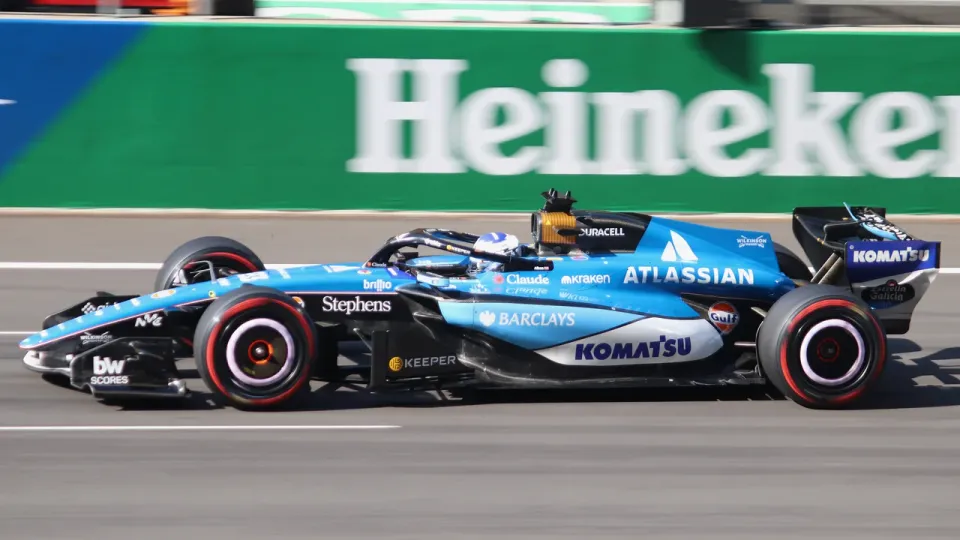
Speaking after the race, Sainz, a Williams driver and director of the Grand Prix Drivers’ Association, said the regulations were extremely complicated for drivers, teams, power units and manufacturers. He questioned who had chosen that direction five years earlier and said decisions made four or five years earlier were wrong. He also said switching the power settings from dry to wet was too complicated, while acknowledging that the FIA and F1 were doing their best with the decisions already made.
The incident sits within a wider debate about the 2026 energy rules. The power units have a near 50-50 split between internal-combustion and electrical power; in wet conditions, total electrical power is reduced from 350 kW to 250 kW. The split is due to move in two steps to 60-40 in favour of internal combustion by 2028. Teams had warned the FIA about energy-management problems since at least 2023.
FIA single-seater director Nikolas Tombazis said the software had been tested, but not under the specific conditions at Sepang. The BBC reported that low engine speeds, low grip and circuit-specific factors combined to trigger the bug. Tombazis said the bug prevented power from being redeployed as some cars crawled, leaving them unable to get moving again. This was the first time the new 2026 power units had run in wet conditions at a Grand Prix.
McLaren team principal Andrea Stella said the start was not ideal for the sport’s presentation, while noting that 2026 was the first year of complex new rules and F1’s first start in such conditions. He credited the work to make racing function and urged support while preventing a repeat. Mercedes deputy team principal Bradley Lord also argued for simpler future regulations, but described the disruption as a footnote to an otherwise exciting afternoon of racing.
Tombazis apologized to fans and said the work on the software update took about 20 minutes. He said he could guarantee that this specific problem would not happen again, but not that no other problem could arise. The FIA has launched a full review of the incident.
Sources 08
- SOURCEFIA issue apology after on-track stoppages cause Bahrain GP chaosRacingNews365 English
- PRIMARY SOURCEDoc 60 - Final Race ClassificationFIA F1 decision documents
- SOURCEF1 needs to have hard look at itself - SainzBBC Sport F1
- SOURCEHamilton & Verstappen bemused after glitch turns F1 into 'Lego race'BBC Sport F1
- SOURCEMercedes calls for F1 simplification after "fiendishly complex" cars cause Malaysia chaosMotorsport.com F1
- SOURCEFIA reveals why F1 cars stopped in rain at Bahrain GP in MalaysiaMotorsport.com F1
- SOURCEWet races and why future of F1 engines appears to be V8 turbos - Q&ABBC Sport F1
- SOURCEF1 told to take 'hard look at itself' after shambolic messRacingNews365 English