

F1 wet-weather power cap complicated overtaking, Lindblad and Bortoleto say
Archive photograph: Arvid Lindblad · 2026-03-05Archive photo · 2026-03-05 · Yu Chu Chin · CC BY-SA 4.0
F1’s 2026 rules cap electrical output at 250 kW in wet conditions, down from 350 kW normally. Lindblad said the limit complicated his fight for points, while Bortoleto said it made overtaking difficult in traffic.
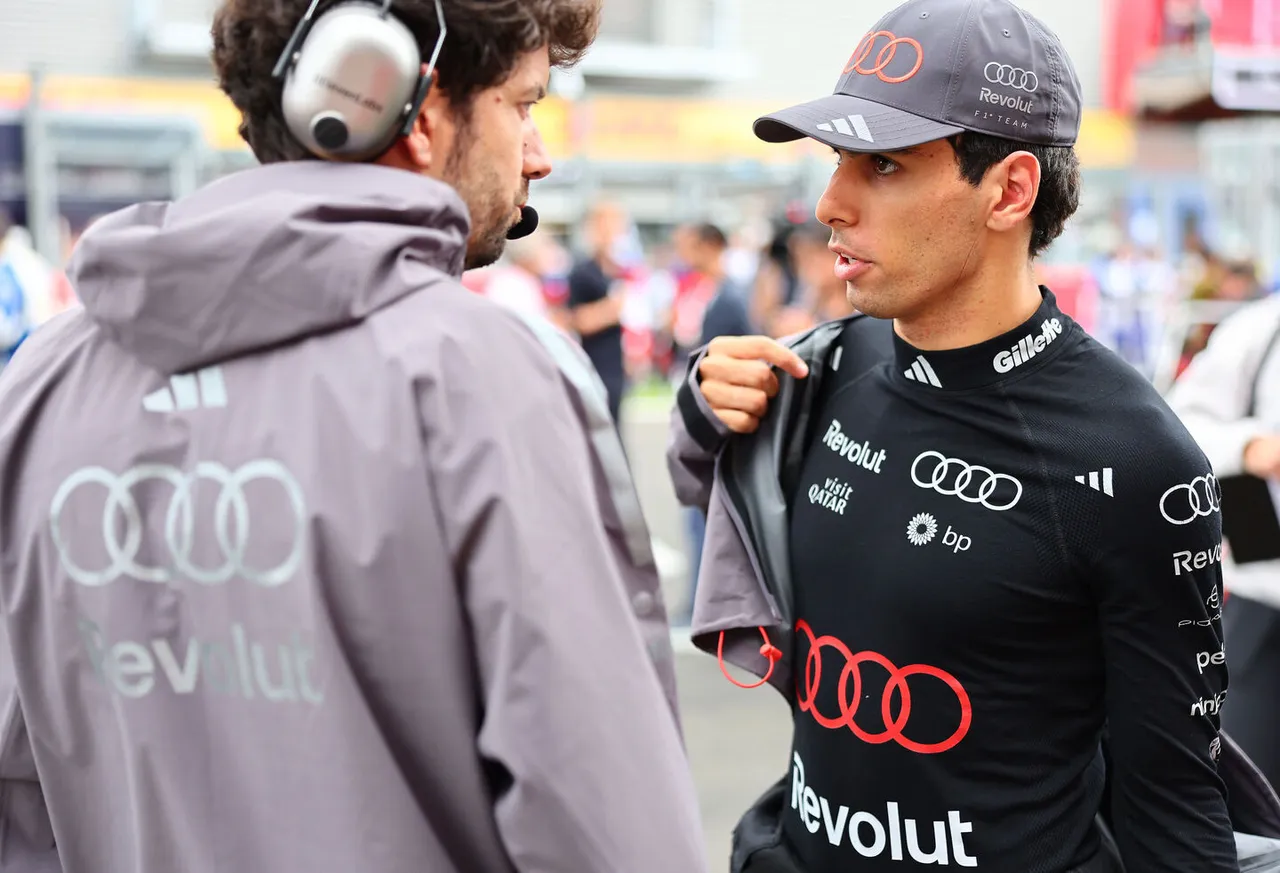
After the São Paulo Grand Prix, Arvid Lindblad said the wet-weather power cap had complicated his attempt to return to the points. Gabriel Bortoleto also said it made overtaking difficult in traffic.
Under the 2026 power-unit rules, F1 cars normally produce 350 kW of electrical power, about half their total output. In wet conditions, that output is capped at 250 kW for safety—a 100 kW reduction. A car can run freely in clean air, but a passing attempt can bring the ceiling into play; once reached, energy harvesting begins.
After his second stop for soft tyres, Lindblad was behind Franco Colapinto and trying to battle Nico Hülkenberg for 10th place. He described the energy restriction as a speed limiter. Lindblad said he used boost, only for Colapinto to be faster at the end of the straight with overtake mode.
Lindblad also said he had major drivability problems in the final 10 laps, making it difficult to race Hülkenberg. He was unsure whether the team could have made better decisions or had been unlucky with the timing of the switch to wet tyres.
Bortoleto said it was difficult to overtake on the straights while he was stuck in traffic, but that he was very quick once he reached clear air. After his Q1 spin, he said he could only learn from his qualifying mistake and move on to the next race.
Sources 01
- SOURCEF1 drivers air frustrations after 'speed limit' introductionRacingNews365 English