
Ben Sulayem’s V8 post deleted after talks on F1 engines for 2030
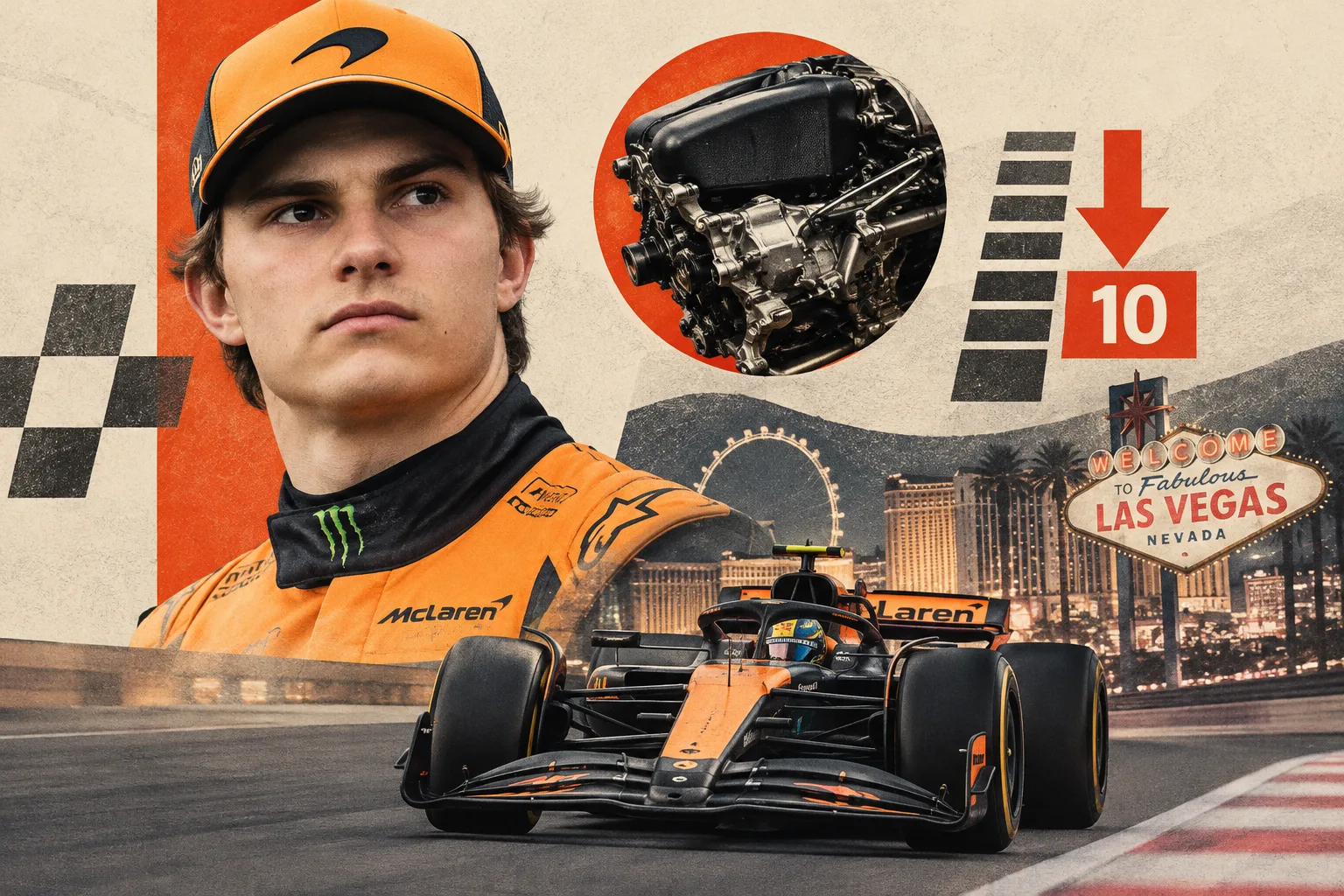
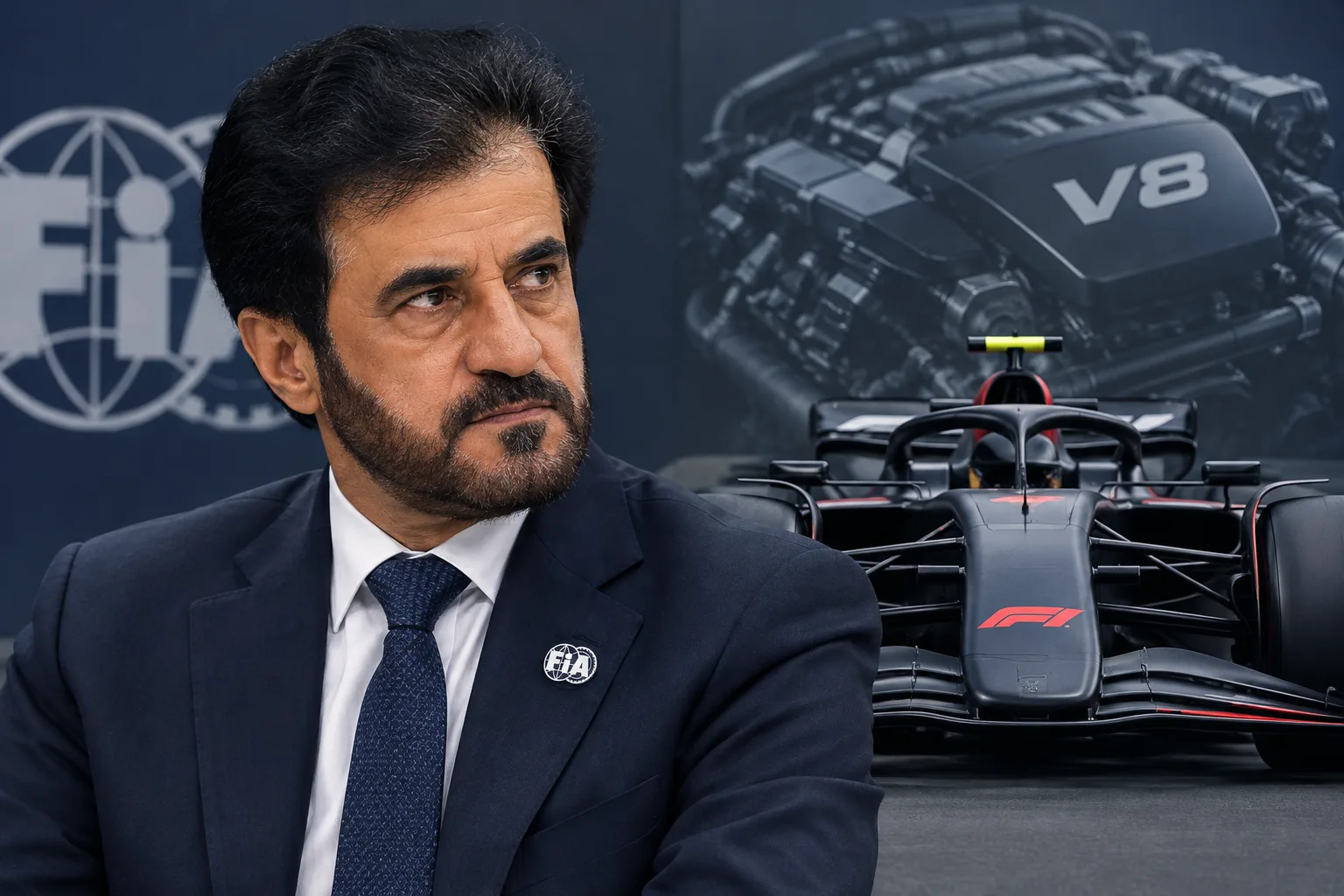
Conceptual AI-generated editorial motorsport illustration; not a documentary photograph or evidence that a pictured event, meeting or transfer occurred. · 2026-11-18GPBeat newsroom · News Made Clear generated illustration
FIA president Mohammed Ben Sulayem’s V8 message was removed after talks on F1’s future engines. Autosport says several parties understood the outcome differently from the FIA, even though briefings pointed to broad agreement on an engine outline.
FIA president Mohammed Ben Sulayem’s V8 announcement, posted after Monday’s talks on Formula 1’s next generation of engines, was swiftly deleted. Several parties left the meeting with a different understanding from the governing body of what had been agreed, Autosport reports.
On Instagram, Ben Sulayem wrote “You spoke, we listened. V8s coming soon” alongside an FIA-branded graphic and the sound of a V8 engine. Related posts on the FIA’s other social-media channels were also removed. The meeting brought together the FIA, engine manufacturers and F1’s commercial rights holder.
Autosport says briefings had pointed to broad agreement around a turbocharged 2.1-litre V8 with a smaller electrical component. Under the reported outline, electric motor output would fall from a current maximum of 350 kW to 100 kW for normal running, with a further 100 kW available to aid overtaking.
Ben Sulayem has pushed for a new generation of engines to arrive in 2030. The current turbocharged V6 hybrid concept is due to remain in place until 2031, although the balance between combustion and electric power is set to change over the next couple of seasons.
The FIA president previously favoured naturally aspirated V8s with only a small electrical contribution, similar to the KERS system first used in 2009. He sees simpler engines as a way to reduce manufacturing and development costs and make a lower minimum car weight possible.
Manufacturers have not all wanted the same thing. Ford and Cadillac were understood to support dropping turbos while retaining a smaller but still significant electrical element; Audi and Honda viewed natural aspiration as a deal-breaker and wanted strong hybridisation, Autosport reports.
Manufacturers appear to agree they need clarity by the end of 2026 to leave enough development time for a 2030 introduction, according to Autosport. The FIA wants to put a definitive 2030 framework before the World Motor Sport Council in Shanghai on 10 December.
Sources 01
- SOURCEThe factors behind the abortive 2030 F1 rules announcementAutosport