
How Schuberth makes the F1 helmets worn by Max Verstappen
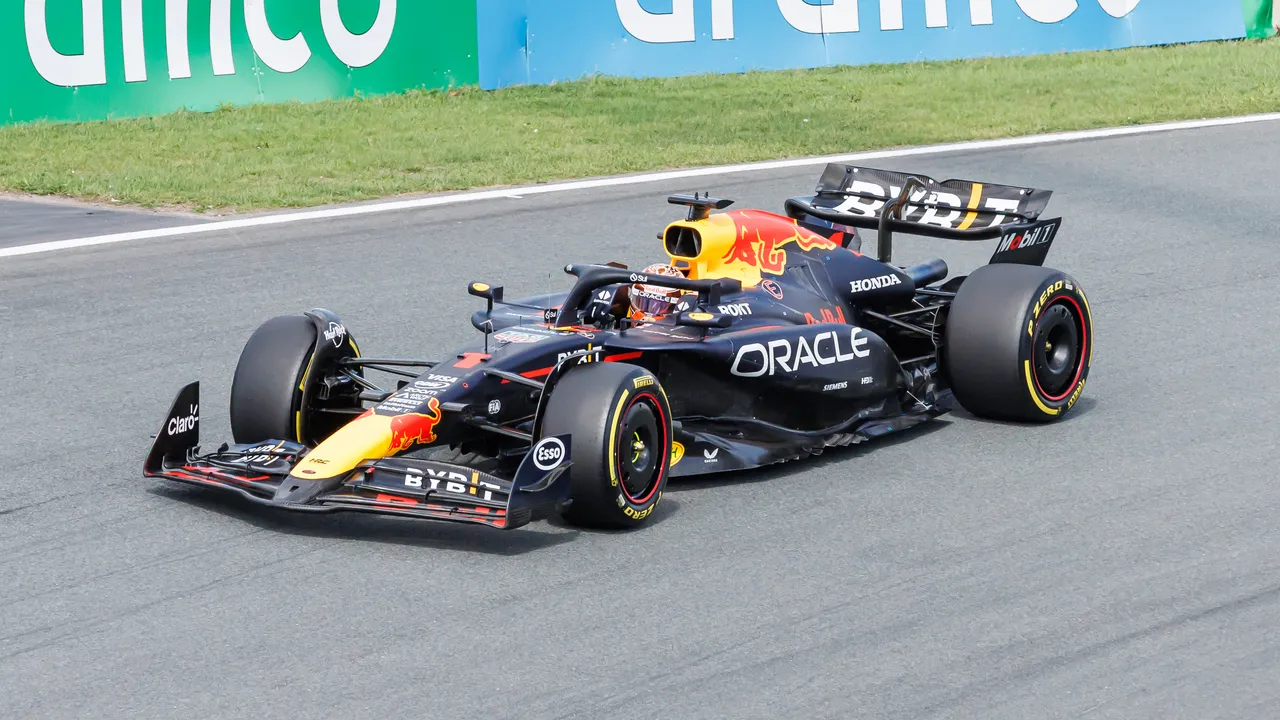
Archive photograph: Max Verstappen · Dutch Grand Prix, Zandvoort 2024 · 2024-08-25Archive photo · 2024-08-25 · Steffen Prößdorf · CC BY-SA 4.0
Schuberth’s team hand-makes about 250 F1 helmets a year. At its Italian factory, an engineer spends up to six hours shaping carbon-fibre material before the shell is baked and assembled.
Max Verstappen is the most prominent current Formula 1 driver to wear a Schuberth helmet. At Schuberth’s factory in Schio, northern Italy, engineer Thomaso shapes a carbon-fibre blend stored at −16°C, working it layer by layer for up to six hours. The shell is then baked in a vacuum bag at 120°C for three and a half hours. Schuberth’s team hand-makes about 250 helmets a year.
The painstaking process leaves little room for error: Schuberth chief executive Alberto Dall’Oglio says even the smallest structural or surface defect makes a shell unusable. He says the material at risk can be worth more than €1,000 (£850), and all the hours of work are lost as well. F1 helmets must also withstand a 225g metal projectile fired at 155 mph, a 790°C flame and substantial impact and crushing tests.
A water jet operating at 4,000 bar cuts the visor opening without applying mechanical force to the helmet; the opening measures six centimetres at its highest point. Dall’Oglio says a complete helmet contains a couple of hundred pieces, with nearly 100 in the outer shell and around 100 more depending on its aerodynamic parts.
After assembly, the helmet goes to the driver’s designer. Dall’Oglio says a helmet weighs about 1.4 kg, depending on its decoration and aerodynamic specification. He says Schuberth works to remove 20–30 grams from its top-of-the-line helmets, while a driver can add 70–80 grams through decoration.
Sources 01
- SOURCEThe art of protection - inside an F1 helmet factoryBBC Sport F1