
Verstappen’s late request was already built into Red Bull’s Las Vegas energy plan
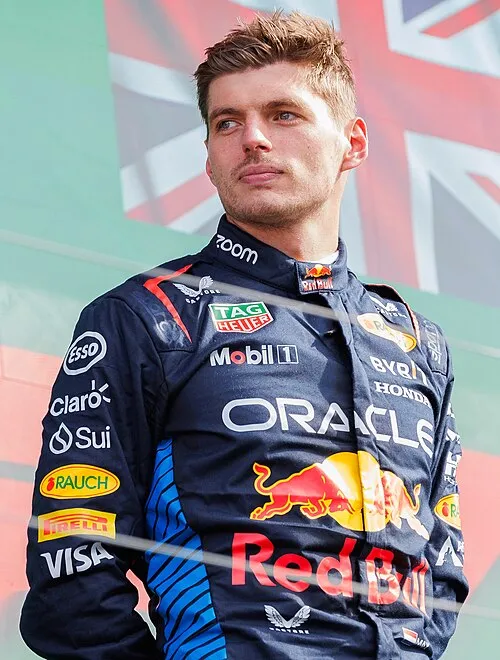
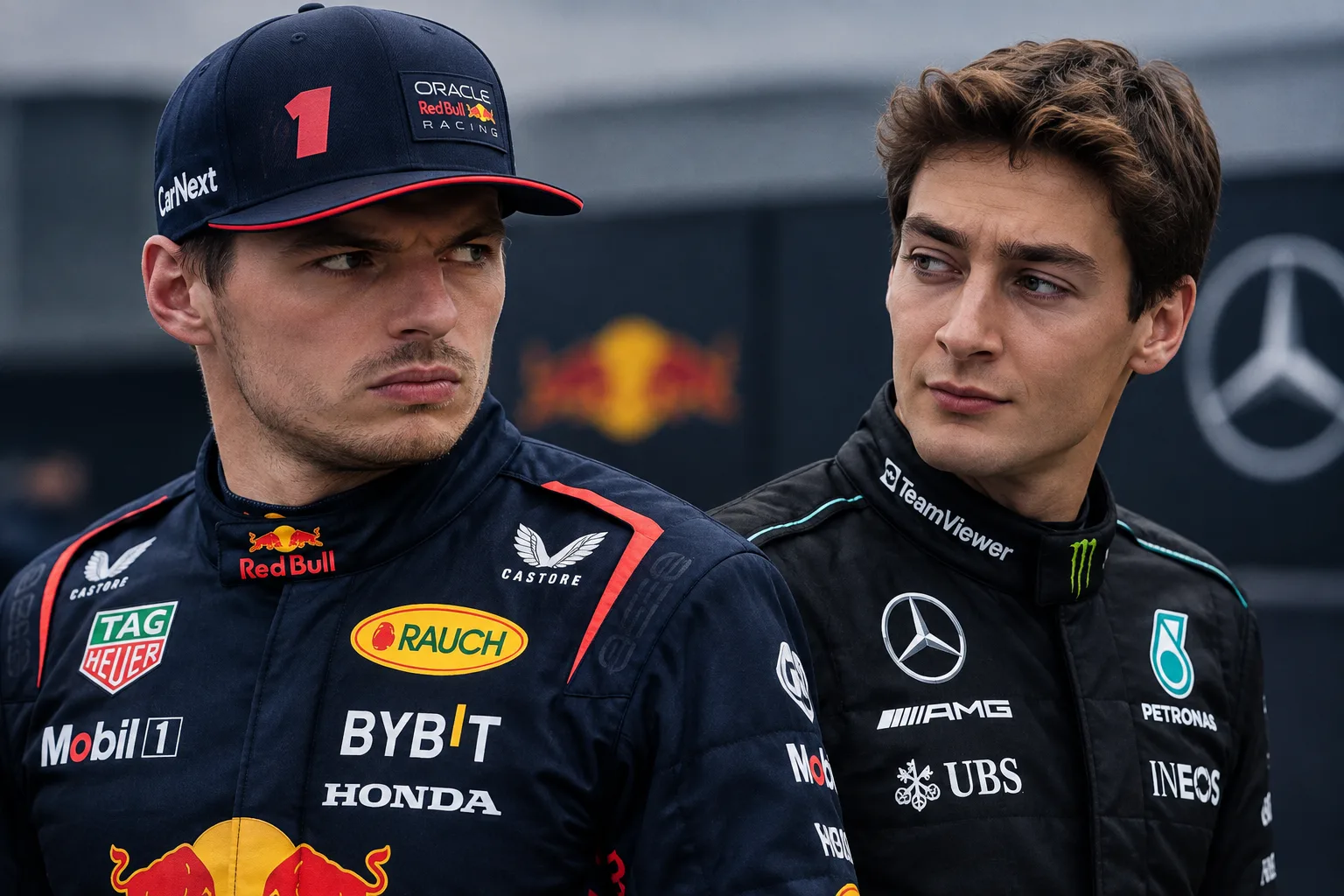
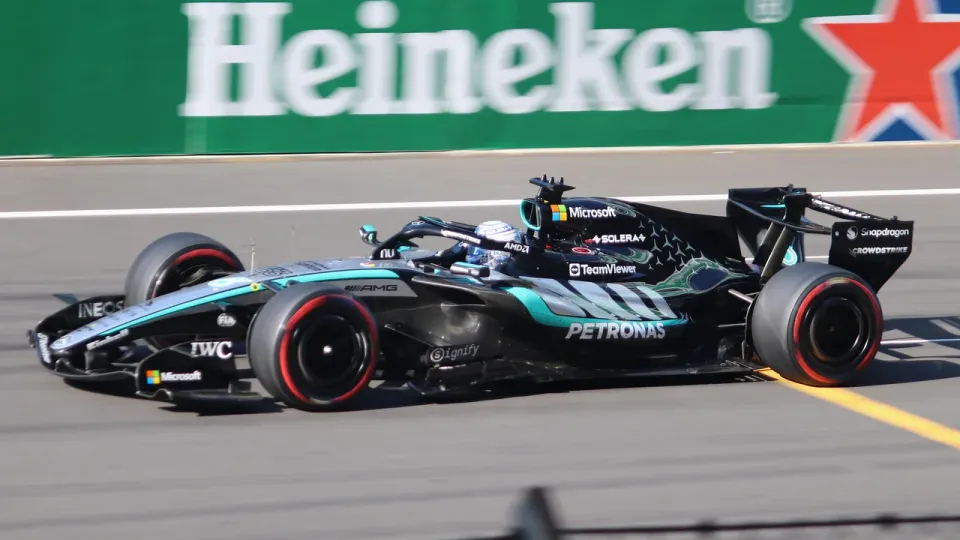
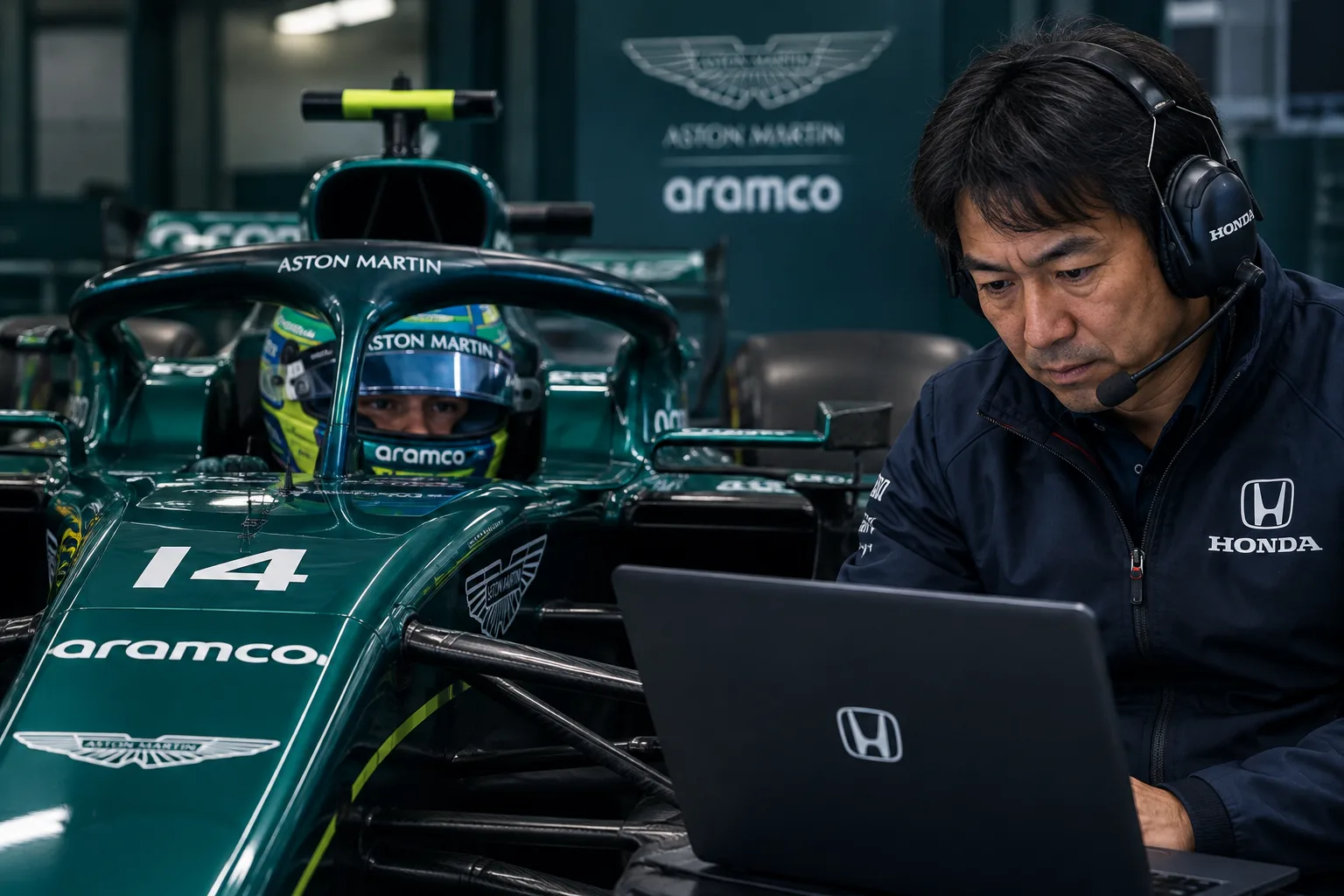
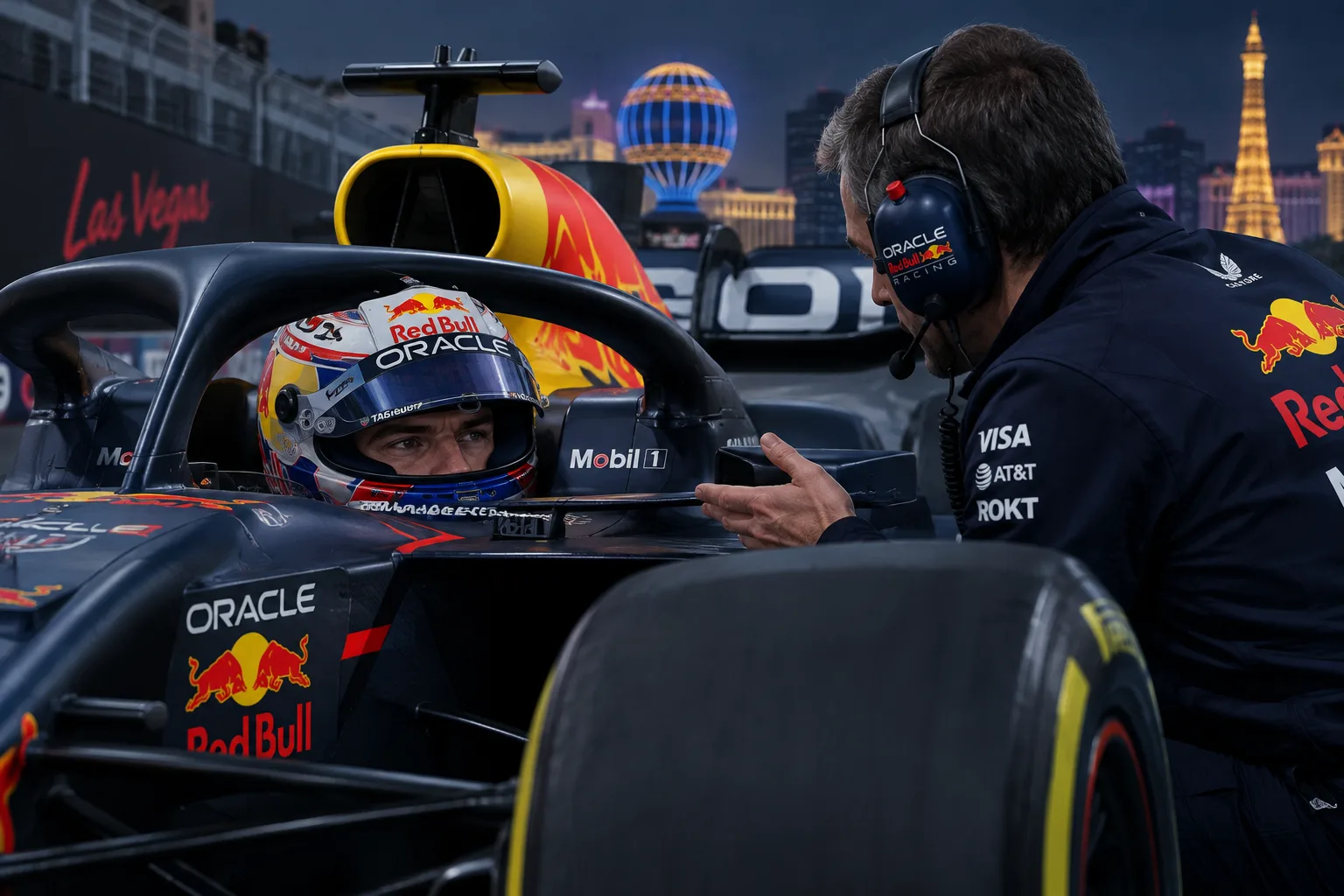
Conceptual AI-generated editorial motorsport illustration; not a documentary photograph or evidence that a pictured event, meeting or transfer occurred. · 2026-11-23GPBeat newsroom · News Made Clear generated illustration
Max Verstappen asked about changing energy deployment on the final straight; Paolo Filisetti says Red Bull’s chosen race mode already included what he wanted.
In the closing ten laps of the Las Vegas Grand Prix, Max Verstappen asked his pit wall whether his power unit’s energy deployment could be adjusted for the final straight, seeking an advantage over his closest pursuers before the last lap. In a technical analysis co-written with Samuel Coop, Paolo Filisetti says the request was already built into Red Bull’s chosen race mode. The engineers judged that strategy the best available, with maximum energy availability just before the final corner.
That plan reflected the Strip’s layout: one long straight, but few genuine braking zones to recharge energy. Those conditions let each team tailor deployment to its own power unit. Simulations and practice data also helped teams choose a mode around starting-grid position and the characteristics and efficiency of each power unit and chassis, Filisetti writes.
Filisetti says the slipstream on the Strip was stronger than at other high-speed venues such as Monza, giving a car following closely a chance to gain a substantial advantage under braking and complete a pass. Cars ran nose-to-tail for all 50 laps, while the top ten were covered by just three seconds for virtually the entire distance.
The RB22 and Mercedes’ power unit were close in raw output, according to Filisetti, although Mercedes retained a marginal edge in energy recovery. Red Bull-Ford made up much of that difference with internal-combustion power just past the midpoint of the Strip straight. Filisetti sees Las Vegas as evidence that the 2026 power units had become closely matched despite different design philosophies. His analysis says Formula 1 will hope to see that close racing return at more circuits in 2027, including those where energy deployment matters far less than it did on the Strip.
Sources 01
- SOURCEHow Red Bull and Max Verstappen outsmarted rivals in blueprint for F1 futureRacingNews365 English