

Verstappen wins chaotic Las Vegas GP as Russell crashes and feud reignites
The Las Vegas street circuit passes in front of the Sphere during the 2024 Las Vegas Grand Prix. · Archive photograph, for illustration · 2024-11-23Nascar9919 · CC BY 4.0
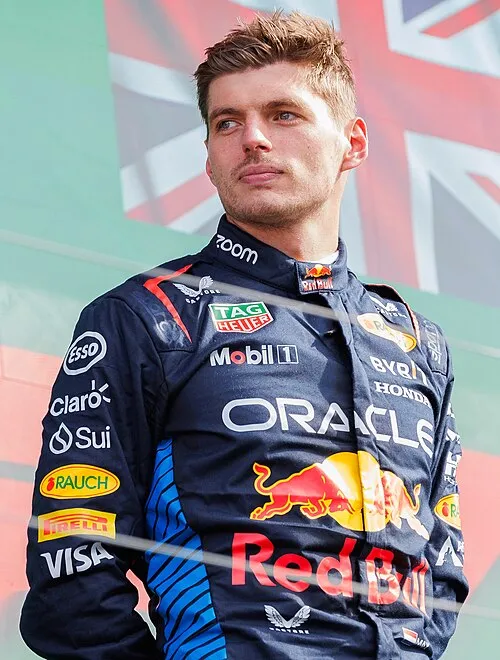
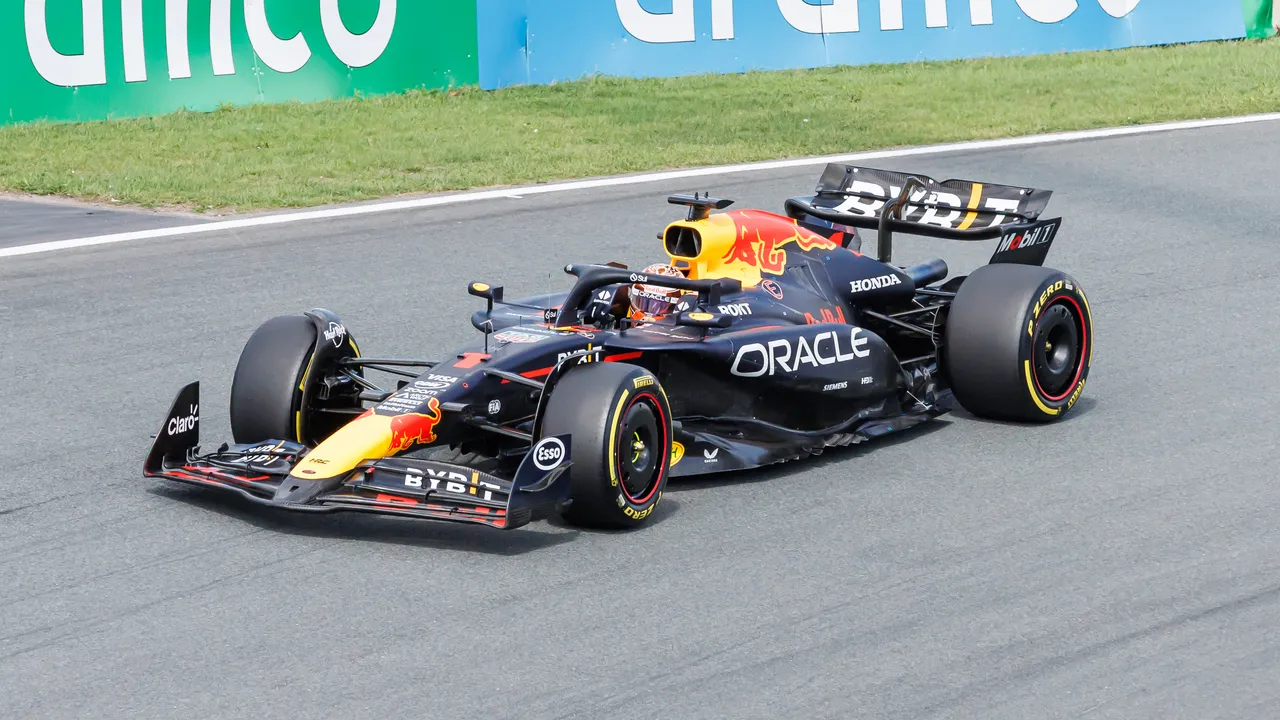
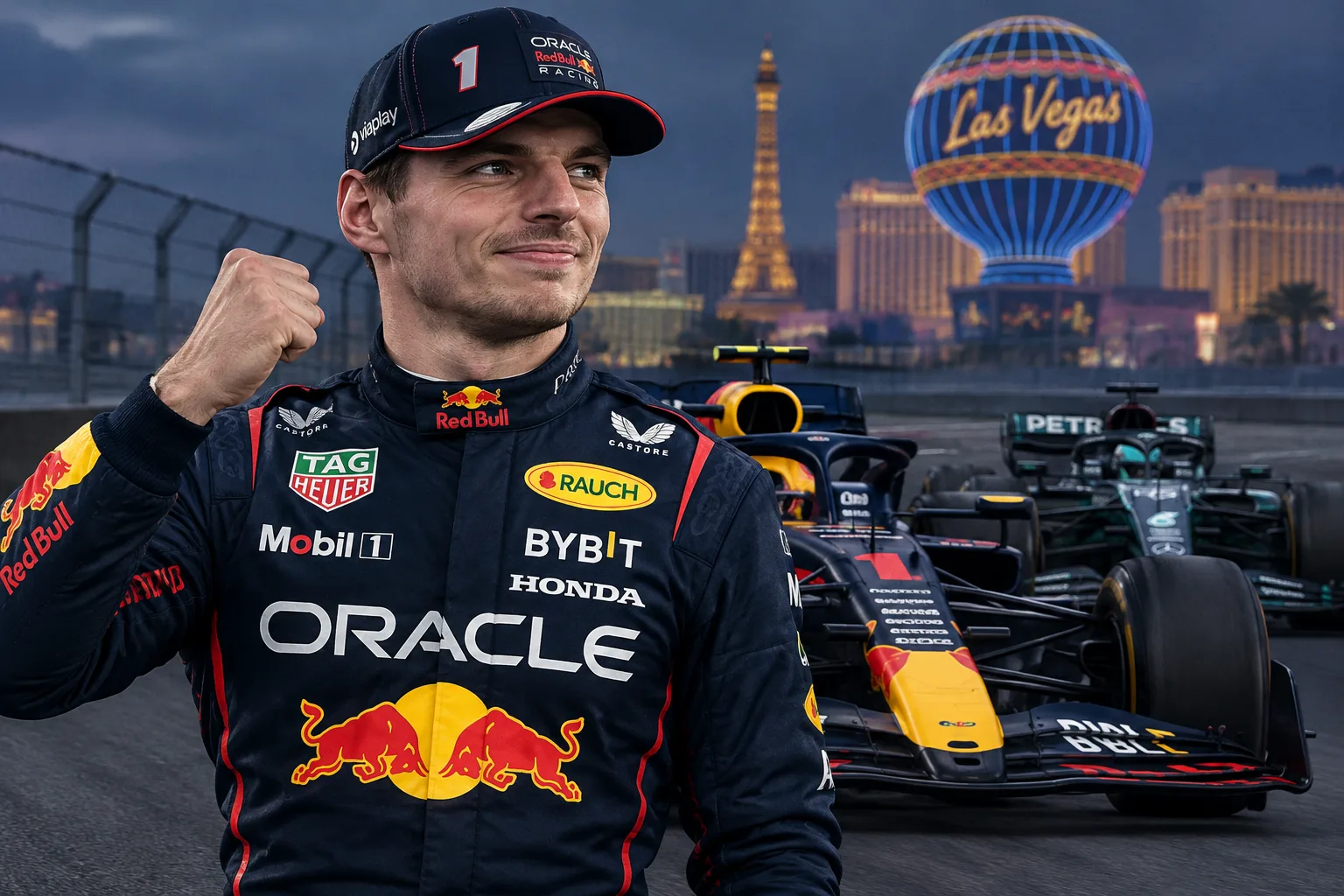
Max Verstappen won a frenetic Las Vegas Grand Prix after George Russell crashed while chasing second place, then renewed their verbal feud by saying Russell was “so far below my level”. The race also sharpened debate over whether Formula 1’s 2026 rules are creating too many battery-driven overtakes.
Max Verstappen won a chaotic Las Vegas Grand Prix and finished ahead of George Russell, who crashed while trying to pass his Mercedes team-mate Kimi Antonelli for second with two laps remaining. Russell recovered from the barrier but fell to ninth; Verstappen said afterwards that Russell was “so far below my level”.
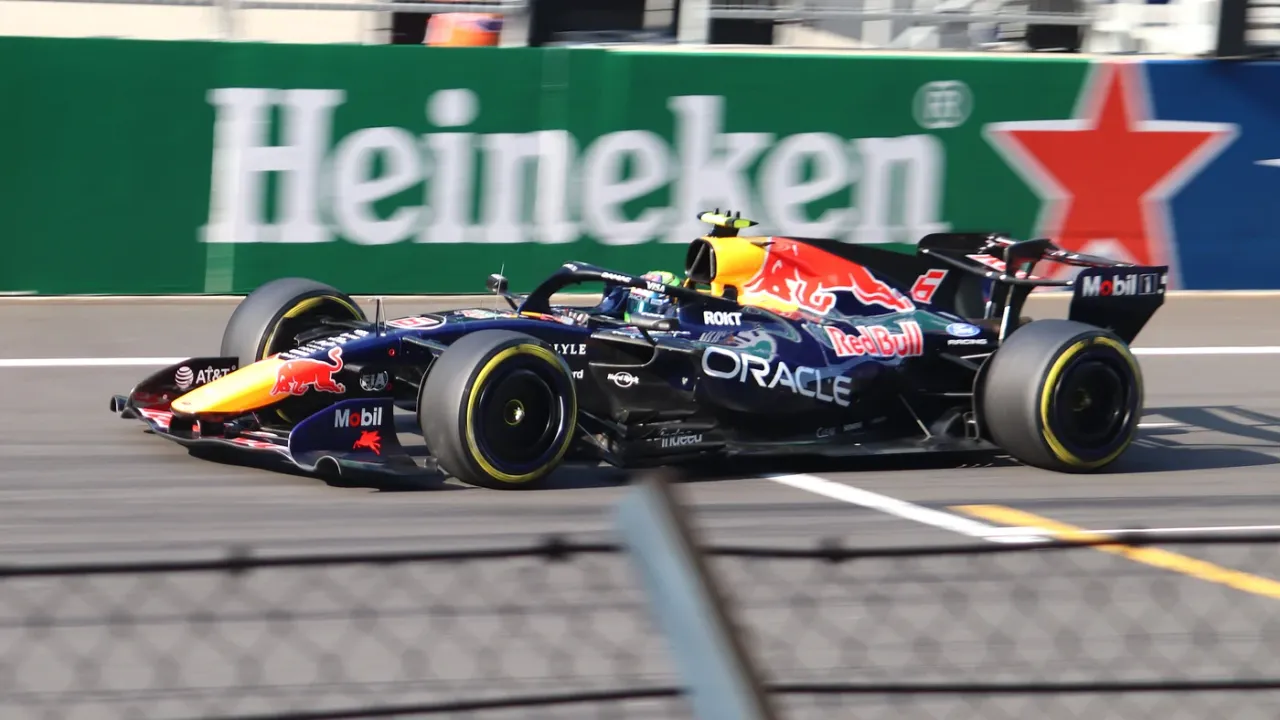
The result capped a race of repeated lead changes: there were 34 overtakes for the lead in 50 laps and 352 overtakes overall, according to BBC Sport. The largest lead any driver held was 1.5 seconds.
Russell had been Verstappen’s main rival during the race. Their latest exchange followed a clash in practice and a stewards’ room discussion. After Verstappen took pole, Russell said he would not accept someone “screwing me over” and “walk[ing] around like they are bigger and better than everyone else”.
Verstappen’s remarks after the race echoed his earlier criticism of Russell following the pair’s previous Las Vegas dispute. [He had called Russell’s season a let-down after the previous year’s race](https://www.newsmadeclear.com/en/news/24ad6cbf-25a8-4f95-9a29-900dbd48cdae).
The race also renewed questions about Formula 1’s 2026 rules, which have produced “yo-yo” passing as cars’ batteries run low on long straights. Verstappen said the contest felt like “Mario Kart” from a driver’s perspective, while McLaren team principal Andrea Stella urged the sport to consider the race’s implications carefully rather than rush to judgment. The rules are due to change again in 2027 and 2028, with further changes announced for 2030 intended to reduce energy shortages.