
How Kimi Antonelli made Mercedes’ demanding W17 a title-winning car
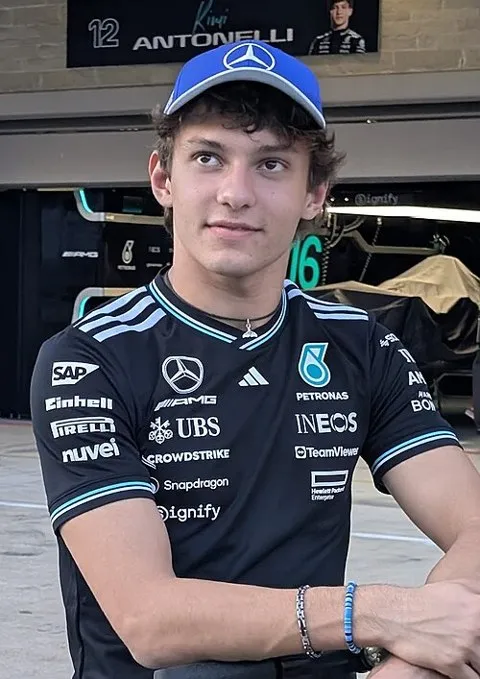
Archive photograph: Kimi Antonelli · 2025-10-17Archive photo · 2025-10-17 · Kuyper · CC BY-SA 4.0
Paolo Filisetti says Mercedes gave Antonelli a strong but demanding platform, and that the Italian's ability to adapt to the W17's energy deployment and balance helped him unlock its potential.
Kimi Antonelli won the 2026 Formula 1 drivers’ title in Mexico City with a Mercedes W17 that Paolo Filisetti describes as highly competitive but difficult to exploit at its limit. The RacingNews365 technical analyst credits Antonelli’s ability to adapt to the car’s characteristics with helping him unlock its potential: Mercedes supplied the platform, but the Italian made the difference.
Filisetti traces the W17’s character to its power unit. James Allison’s technical group designed the car around it, and its management and deployment of electrical energy remained a major Mercedes advantage. While the paddock expected teams to bring a steady stream of upgrades to the new generation of cars, Mercedes began 2026 with a relatively mature aerodynamic and mechanical package. That left the drivers to optimise the power unit in a car whose basic behaviour was already well understood.
The W17 was not necessarily the car with the grid’s highest absolute downforce. Filisetti points instead to aerodynamic efficiency and the effective distribution of load, alongside a chassis that offered a relatively straightforward base for a setup that kept the tyres in their operating window in most conditions. Reaching the car’s full performance still required a precise balance of aerodynamics, mechanical setup and electrical-energy management.
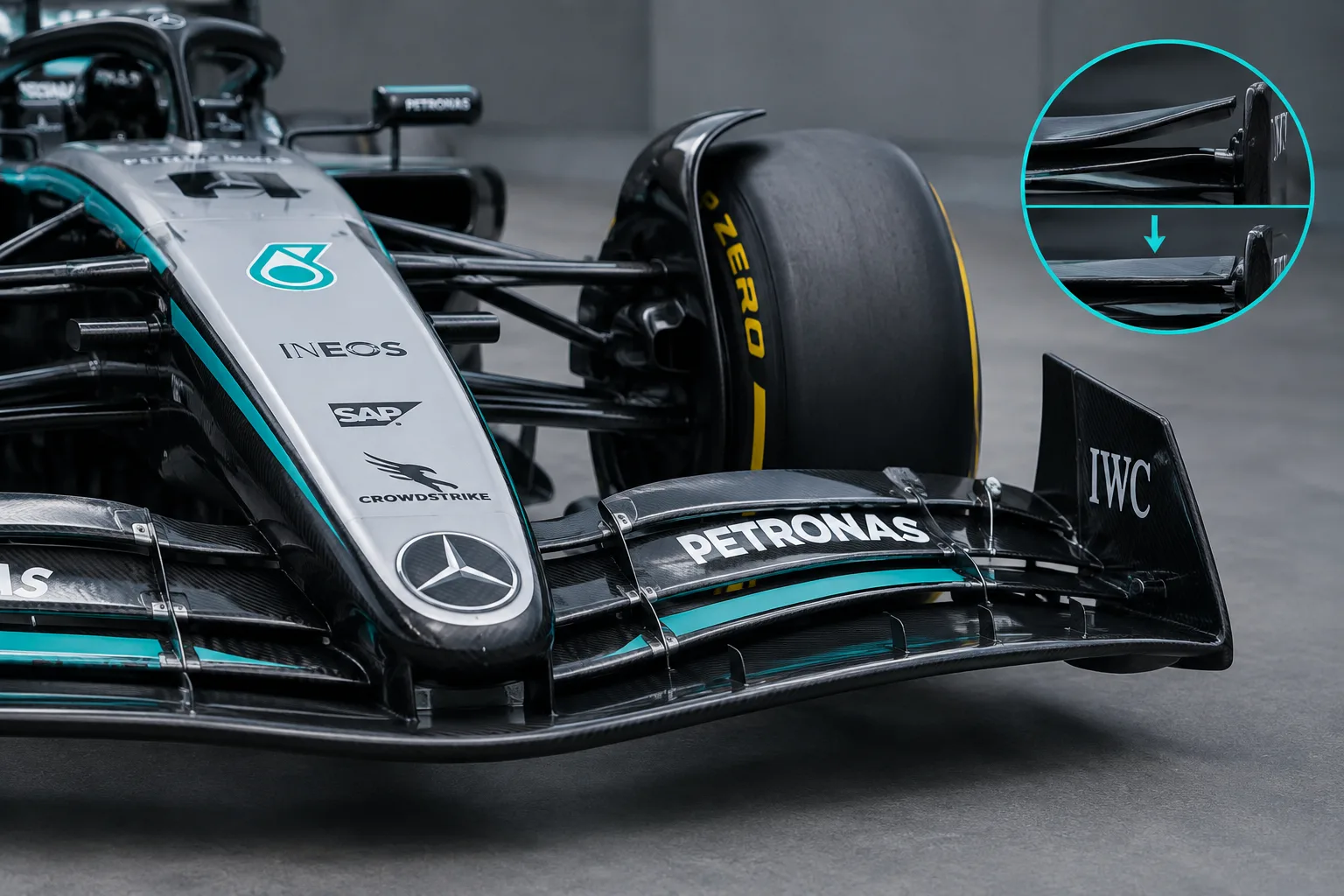
The first major test of that concept came with Mercedes’ aerodynamic update at the Bahrain Grand Prix. A revised floor and reshaped sidepods proved harder to integrate than expected. The package was completed only in Austin, where a new front wing was introduced after being held back at the previous two events. The floor itself remained largely unchanged through much of 2026; the update difficulties exposed how finely the original package had been balanced.
Antonelli worked closely with race engineer Peter Bonnington on an unconventional driving style that let him exploit the power unit without compromising the car’s overall balance. Filisetti also credits George Russell with occasional standout performances, but says Antonelli more consistently turned the W17 into a car capable of lap times beyond his rivals’ reach.
At 20, Antonelli became the first Italian to win the Formula 1 drivers’ title since Alberto Ascari, 73 years earlier.
Sources 01
- SOURCEWhy Mercedes' W17 was the perfect weapon for historic Kimi Antonelli F1 title triumphRacingNews365 English